In the heart of Siberut Island, the Sikerei play a vital role in preserving the cultural and spiritual heritage of the Mentawai people. As a community-based guide, I am privileged to introduce you to this living culture, where the Sikerei are revered as custodians of ancestral wisdom. A good visit is about genuine interaction, respect for tradition and support for local families. This is not a luxury escape, but an enriching journey into the depths of Mentawai life, where every step is taken with care and consent.
Who Are the Sikerei?
The Sikerei are the spiritual and healing leaders of the Mentawai community. They are deeply respected for their extensive knowledge of the forest’s medicinal plants and their ability to communicate with the spirit world. Becoming a Sikerei is a lifelong commitment, involving years of apprenticeship under the guidance of a master. They learn the intricacies of plant medicine, chants, and rituals, becoming the keepers of the Mentawai’s traditional belief system known as Arat Sabulungan. This animist belief emphasizes harmony between humans, nature, and spirits. The Sikerei are often the most heavily tattooed members of the community, with designs that symbolize their connection to the spiritual world. Access to the Sikerei is through established relationships, ensuring that interactions are respectful and meaningful, never reducing their role to a mere spectacle.
What do sikerei do in Mentawai life?
In Mentawai society, the Sikerei hold a central place, bridging the physical and spiritual realms. They lead ceremonies that mark important life events, from births to deaths, ensuring that the community maintains its spiritual balance. Their role extends beyond rituals; they are the guardians of customary law and the natural environment. The Sikerei guide their community in sustainable living practices, teaching the importance of maintaining equilibrium with the forest. This includes responsible hunting and gathering, as well as the conservation of sacred sites. Visitors who meet a sikerei on a respectful Mentawai tribe tour may witness these practices firsthand, gaining insight into the profound relationship between the Mentawai people and their environment. It’s a unique opportunity to learn from those who have dedicated their lives to the preservation of their culture and land.
What is an uma?
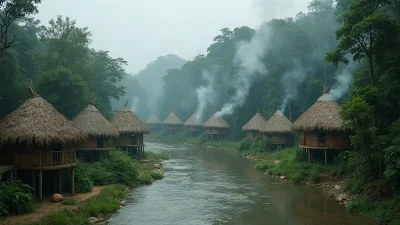
The uma is more than just a physical structure; it is the heart of Mentawai communal life. This large clan longhouse, raised on stilts beside the river, serves as both a home and a ritual center. Within its walls, families gather for daily activities, ceremonies, and important discussions. The uma symbolizes unity and continuity, as it is passed down through generations. Surrounding the uma are family houses, pig pens, chicken coops, and sago-processing areas, creating a vibrant community hub where traditional and modern life intertwine. Guests staying in an uma during a Sikerei Uma Homestay experience the daily rhythm of Mentawai life, from sago preparation to evening gatherings. Respect for the sacred areas within the uma is paramount, and visitors are guided on appropriate behavior, ensuring that cultural boundaries are honored.
What is arat sabulungan?
Arat Sabulungan, or “the way of the leaves,” is the traditional belief system of the Mentawai people. It is an animist framework where every aspect of the natural world is imbued with spirit. This belief system underpins the community’s interactions with their environment, fostering a deep respect for all living things. Rituals led by the Sikerei are integral to maintaining the balance between the physical and spiritual worlds. These ceremonies often involve offerings, chants, and dances that connect the community with the ancestral spirits. While many Mentawai families have adopted Christianity or Islam, elements of Arat Sabulungan remain respected and practiced. Visitors interested in understanding this belief system can learn more through our Arat Sabulungan Belief page, offering a window into the spiritual life of the Mentawai people.
How can you meet a sikerei respectfully?
Visiting the Mentawai Islands offers a unique opportunity to engage with a living culture, but it requires a respectful approach. Ethical visits put the community’s dignity and autonomy first. Photography, for instance, is approached with care; always ask before capturing images of people, tattoos, or rituals. This respect extends to the land itself, with treks conducted in partnership with local guides and under the necessary permits from Siberut National Park and village authorities. Well-run trips support the local economy, with a substantial share of income going directly to host families and community members. By choosing local guides, visitors contribute to the preservation of Mentawai culture while learning a great deal.
How do you plan a visit to a sikerei?
Traveling to the Mentawai Islands is an adventure that requires preparation. The journey begins in Padang, West Sumatra, with sea access only via boats to Siberut. Fast ferries take 3.5-4.5 hours, while overnight cargo-passenger boats take 8-12 hours. From the port, travel continues by motorized canoe and on foot. This is not a luxury trip; conditions are basic, with accommodation in uma or simple huts. Sanitation facilities are primitive, and meals consist of local staples like sago and rice. Proper gear is essential: quick-dry clothing, trekking shoes, insect repellent, and a mosquito net are recommended. Siberut’s climate is hot and humid, with rain possible year-round. Visitors should consult a travel clinic for health precautions, including malaria prophylaxis and vaccinations. For more detailed travel advice, reputable sources like the Klinik Jasa offer up-to-date health guidance.
How does responsible tourism help the sikerei and the forest?
Responsible tourism should shape every part of a trip. Trips should align with the host community’s values and conservation goals. Treks into Siberut National Park require appropriate permits, arranged by reputable operators who respect both the environment and local customs. Avoid any form of illegal wildlife trade or exploitation of natural resources. Visits done this way support Mentawai culture, biodiversity and the community’s own development. Packing out non-biodegradable waste and supporting local initiatives keeps the environmental footprint small. For more information on conservation efforts in the region, the BKSDA Sumbar provides insights into ongoing projects and partnerships.
Related guides
- What happens on a sikerei shaman visit
- The Mentawai turuk dance
- The Mentawai tribe experience in a Siberut uma
- Mentawai Islands local culture
A respectful visit offers a rare chance to meet a sikerei and see Mentawai life up close. For help planning, visit our contact page; the planning desk can connect you with established local guides, and you book directly with the guide you choose.