What food do Mentawai people eat? The traditional diet on Siberut is built on sago, the starch from the sago palm, eaten with taro, bananas, forest greens, river fish and shrimp. Pigs and chickens are raised mainly for ceremonies and feasts, while hunted wild pig, deer and monkey were traditionally important too. Rice is now common as well.
If you are planning a homestay, one of the first practical questions is what food do Mentawai people eat, and what will you eat with them. The answer tells you a lot about how life in a Siberut uma (clan longhouse) is organised. Food is grown, gathered, hunted and shared, and some of it carries spiritual rules. This guide explains the main foods, how they are prepared, which taboos exist and what a visitor can realistically expect on the plate.
What food do Mentawai people eat every day? Sago first
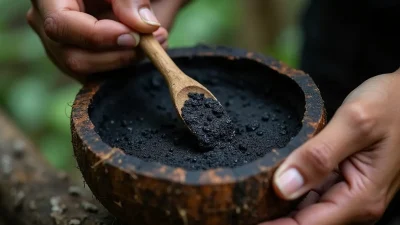
Sago is to the Mentawai what rice is to much of Indonesia. The starch comes from the pith of the sago palm, which grows in swampy ground near rivers. Men usually fell and split the trunk, and the pith is scraped, then washed and kneaded with water so the starch settles out. The damp starch is stored and cooked as needed. The full process is described step by step further down this page.
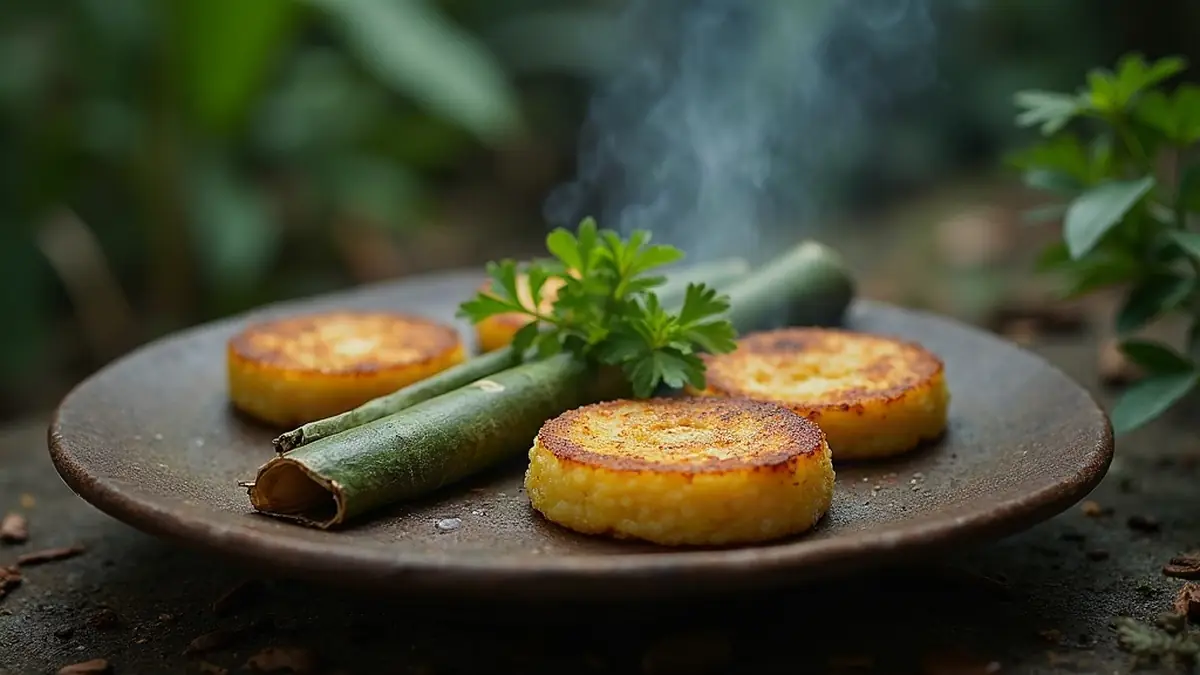
The best-known preparation is kapurut: sago packed into leaves and cooked over the fire until it firms into a chewy roll. Sago is also cooked inside bamboo tubes laid in the embers, roasted, or made into a porridge-like dish. It tastes mild and slightly smoky, and it is filling rather than flavourful, which is why it is eaten with something else.
Garden foods: taro, bananas and greens
Taro, called gettek in Mentawai, is the second great staple. It is grown in wet fields and usually boiled or roasted. Bananas grow around most houses and are eaten ripe or cooked. Families also gather forest greens and vegetables, sometimes boiled with grated coconut. Seasonal forest and garden fruit is eaten when it ripens.
These everyday foods are shared within the household. When you stay in an uma, you will see women and children returning from gardens and rivers with baskets of taro, bananas and greens in the afternoon.
Protein: fish, shrimp, grubs and meat
| Food | How it is obtained | How often eaten |
|---|---|---|
| River fish and shrimp | Caught with nets and traps, often by women | Regularly, a key everyday protein |
| River shellfish | Gathered in streams | Regularly |
| Sago grubs | Collected from rotting sago trunks | Seasonally |
| Chicken | Raised around the house | Mainly for ceremonies and special meals |
| Pork | Pigs raised by the uma | Mainly at feasts and rituals |
| Wild pig, deer, monkey | Hunted with bows, poisoned arrows, spears and dogs | Traditionally important at communal events |
Pigs are central to Mentawai social life. They roam beneath and around the uma, are counted as wealth, and are slaughtered and shared during ceremonies, often called punen, with the exact name and form varying by area. Hunting was traditionally a male activity carried out with bows and poisoned arrows, and hunted meat played an important part in rituals. Hunting of some primates is now restricted, and practices vary between families.
Sago grubs
Many visitors are curious about sago grubs, the larvae of a beetle that lays eggs in sago trunks. They are a recognised seasonal food, eaten raw or cooked, and are high in fat and protein. They will not be on every menu, but if a family offers some, accepting a small taste is a friendly gesture.
Food taboos: keikei
Mentawai belief, known as Arat Sabulungan, includes prohibitions called keikei. Their details depend on the person, the community, the stage of life and the ritual moment. Sikerei, the ritual healers, often observe stricter rules, either permanently or during ceremonies and initiation. Research has documented taboos on certain animals for some people, including eels, gibbons and particular monkeys, and rules about not eating raw food during some rituals. These are not a single list that applies to everyone, so follow your host’s lead and do not offer food without checking first.
What visitors eat on a homestay
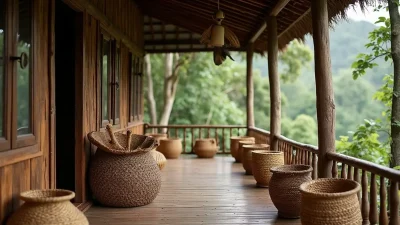
Meals for guests are usually simple and depend on the family and the season. A typical day might include rice or sago, boiled taro, bananas, a vegetable dish and river fish or shrimp. Many operators bring rice, noodles, coffee, sugar and some vegetables from Muara Siberut so that the family is not feeding guests from its own limited stores. Pork or wild meat appears mostly when there is a feast. Our article on the uma longhouse explains how cooking and eating fit into the household.
Tips for eating as a guest
- Tell your operator about allergies or dietary needs before you travel. Vegetarian diets are manageable with planning.
- Bring snacks if you need regular energy on trekking days.
- Drink boiled or treated water, not straight from streams.
- Eat with your right hand when eating by hand, and wait to be invited.
- Do not take food from ritual offerings or ceremonial areas.
Sharing food is one of the most direct ways to understand daily life in the interior. Our page on the Mentawai tribe experience in a Siberut uma describes how meals, work and evenings fit together during a stay.
How the diet is changing
Since government settlement programmes from the 1970s moved many families into villages, rice, instant noodles, sugar and coffee have become common, bought with money earned from cash crops and small-scale trade. In forest uma, sago and taro remain the base, but even there store-bought foods now appear. Visitors should expect a mix of the old and the new.
How sago is made, step by step
Sago work is one of the most common activities visitors can join, and it explains why the palm is so central to the Mentawai diet. On Siberut it is usually shared work: men often fell and process the palm, while women prepare the food, though the division varies by family.
- Choose and fell a mature palm. Sago grows in swampy gardens near creeks and rivers, and each palm belongs to a particular family or clan.
- Open the trunk. The bark is split and the soft white pith inside is exposed.
- Rasp the pith. It is scraped and broken into a fibrous pulp with a wooden or nail-studded tool; some households now use a small grinder.
- Wash out the starch. River water is poured over the pulp and worked through it by hand, often over a fibrous filter.
- Let it settle. The milky water runs into a trough or old canoe, where the starch sinks to the bottom.
- Pack and store. The damp starch is packed into leaf bundles or containers and carried home, where it keeps for weeks.
Sago in the kitchen
Besides kapurut, sago is also packed into sections of bamboo and roasted over the fire, which gives a firmer outside and a softer centre. Both are eaten with fish, greens or a simple broth. Mentawai sago dishes are usually roasted rather than cooked into the sticky porridge known in parts of eastern Indonesia. Recipes and names vary between villages, so ask your hosts what they call each dish.
Quick facts
- Main staple: sago, often cooked as kapurut or in bamboo
- Second staple: taro (gettek), boiled or roasted
- Everyday protein: river fish, shrimp and shellfish
- Ceremonial meat: pork and chicken
- Traditional hunting: bows and poisoned arrows
- Taboos: keikei, varying by person and ritual
- Modern additions: rice, noodles, coffee, sugar
Frequently asked questions
Do Mentawai people eat rice?
Today, many do, especially in villages. Traditionally sago and taro were the staples, and in forest uma they still are. Rice is often bought in Muara Siberut.
Is sago tasty?
It is mild, starchy and slightly smoky when cooked over the fire. Most visitors find it pleasant with fish or a vegetable dish rather than on its own.
Will I have to eat sago grubs?
No. They are a seasonal food and may be offered as a gesture. Accepting a small taste is polite, but declining kindly is fine.
Can vegetarians do a Mentawai homestay?
Yes, with planning. Sago, taro, bananas, rice and greens form a full diet. Tell your operator in advance so suitable supplies are brought.
Is it rude to bring my own food?
Not at all. Bringing supplies such as rice, coffee and sugar to share is common and appreciated, since hosts have limited stores.
Plan your homestay
We are an independent guide to Mentawai islands tours, helping travelers plan respectful homestays and treks with local Siberut guides. Ask us about food, dietary needs or trip options on WhatsApp at +62 811 3941 4563 or email bd@juaraholding.com.