The Mentawai titi tattoo tradition is the body-marking system of the Mentawai people of Siberut. Lines and motifs, tapped into the skin with a thorn or needle and soot ink, can show clan, life stage, skills and a person’s bond with the spirit world of Arat Sabulungan. Titi declined sharply last century and survives mainly in interior Siberut.
Photographs of Mentawai elders covered in fine blue-black lines have travelled around the world, and many people call titi one of the oldest tattoo traditions still practised. Whether or not that claim can be proven, titi is clearly ancient, deeply meaningful and under pressure. This article explains what titi is, how it is made, what it means, why it nearly disappeared and what the revival looks like today. If you are planning a visit, our guide to mentawai island tours on Siberut covers the practical side.
What titi means
In Mentawai thought, the body is a home for the soul, and the soul is easily offended. Titi is part of keeping body and soul in harmony. Tattoos make a person beautiful in a way the soul is content to stay with, help ancestors recognise their descendants after death, and are believed in some accounts to give protection against harmful spirits. They also say something about the wearer: which clan or area they belong to, what stage of life they have reached and sometimes what they have achieved, such as success as a hunter.
Designs are not universal. Motifs differ by clan, river area, gender and individual history. Visitors sometimes ask what a particular line “means”; the honest answer is that only the wearer and their community can say, and some of that knowledge is private.
How a titi tattoo is made
| Element | Traditional practice | Notes |
|---|---|---|
| Tattooist | A sipatiti (also written sipaniti), a recognised specialist | Often linked to ritual knowledge; few remain |
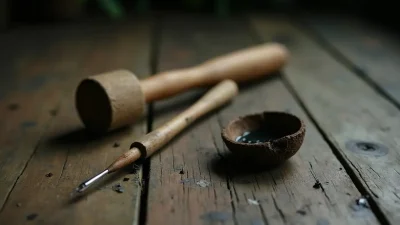
| Needle | A thorn, often from a citrus tree, fixed to a small wooden or bamboo handle | Later also copper wire, sewing needles or nails |
| Method | The needle is dipped and tapped into the skin with a small wooden stick | Slow, hand-tapped work done over many sessions |
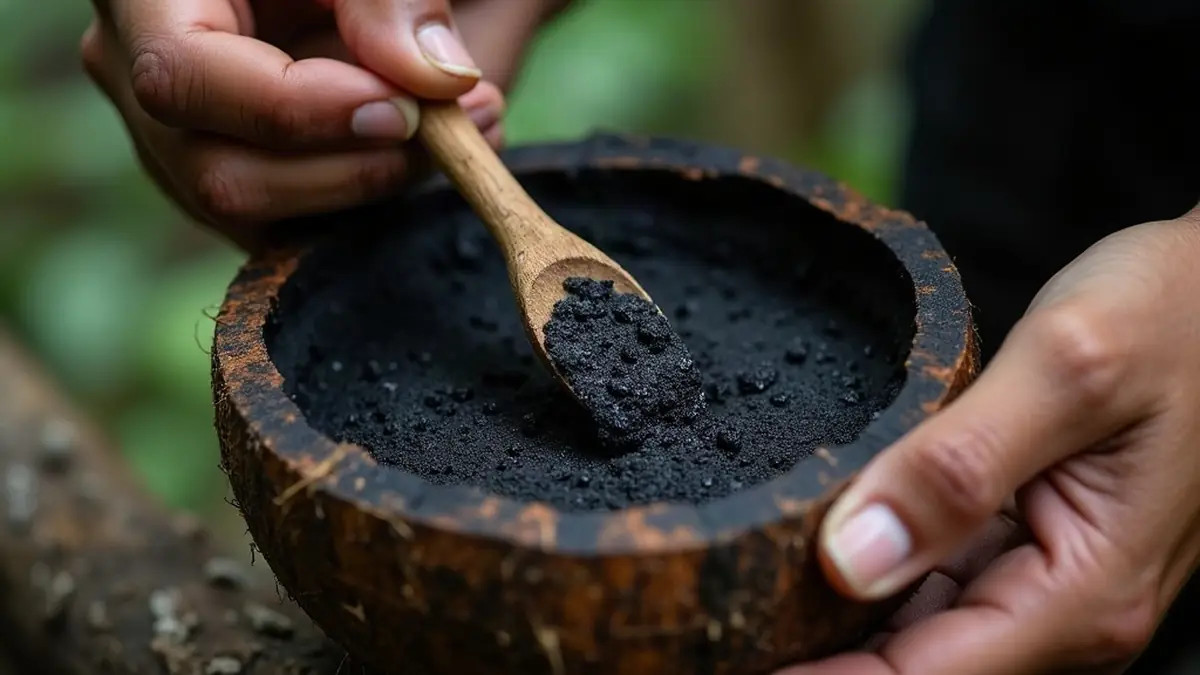
| Ink | Soot from burned coconut shell, wood or resin, mixed with sugarcane juice or another plant binder | Kept in a coconut shell during work |
| Ritual | Preparations, offerings and rules agreed with the family and often a sikerei | Practices vary by community |
Tattooing is done in stages over years. A person traditionally received the first marks as a child or young adolescent, and more as they reached new stages of life. Accounts of the exact age vary between sources and communities.
Who wears titi
Traditionally both men and women were tattooed, with different patterns. Men’s designs often cover the chest, back, arms and legs with long parallel lines and curves; women’s patterns differ and can include motifs on the hands and shoulders. The most complete sets were worn by people who had lived their whole lives within the traditional order, including many sikerei. Today the people with full traditional tattoos are mostly older residents of interior south Siberut.
Why titi nearly disappeared
From the early twentieth century, missionaries discouraged tattooing along with other practices tied to Arat Sabulungan. In 1954 the Indonesian government banned the traditional religion, and in the following decades officials pressured people to move into villages, wear modern clothes and abandon tattoos, filed teeth and long hair. Schooling, wage work and the stigma attached to “backward” customs did the rest. Fewer people were tattooed, fewer sipatiti trained apprentices and some elders could not complete their own tattoo sets because no qualified tattooist was left nearby.
The titi revival
Since around 2009, a revival project known as the Mentawai Tattoo Revival, started by Indonesian tattoo artist Durga together with the cultural activist Rahung Nasution, has worked with elders and sikerei on Siberut to document motifs and techniques and to support the passing of knowledge to younger Mentawai people. Younger Mentawai tattooists have since opened their own practices and recorded designs, and interest among young people has grown. The revival is real but small: titi is no longer a near-universal life-cycle practice, and its future depends on Mentawai communities themselves deciding how to carry it on.
For visitors, the revival raises a common question: can a foreigner get a titi tattoo? Some tattooists do work with outsiders, but traditional titi is tied to clan identity and spiritual life. Many people, Mentawai and outsiders alike, feel it is inappropriate to wear traditional designs as a souvenir. If you are interested, discuss it respectfully with a Mentawai tattooist and accept their view.
Where titi survives on Siberut
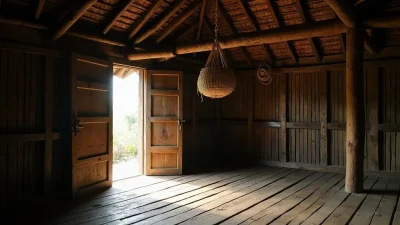
Titi is most visible in the interior of south Siberut, in the area around Madobag, Ugai and Matotonan on the upper Rereiket river, where some families still live for long periods in their uma. Older tattooed residents also live in coastal villages. You will not find tattooing offered as an activity, and you should not expect to see it in progress. Our Mentawai traditional tattoo tour page explains how visits to tattooed communities are arranged and what is realistic.
Seeing titi respectfully
- Ask before photographing anyone’s tattoos, and ask separately for close-ups.
- Do not ask people to remove clothing or pose to show their designs.
- Do not request a demonstration of tattooing.
- Ask about meaning only if the conversation invites it, and accept a short answer.
- Remember that tattoos belong to a person’s life story, not to a tourist experience.
Quick facts
- Name: titi, the traditional tattoo of the Mentawai people
- Tattooist: sipatiti (also sipaniti)
- Tools: thorn or needle on a handle, tapped with a stick
- Ink: soot mixed with sugarcane juice or plant binder
- Meaning: beauty for the soul, identity, life stage and spiritual protection
- Today: strongest in interior south Siberut; supported by a revival since about 2009
Frequently asked questions
What is the Mentawai titi tattoo tradition?
It is the traditional tattooing of the Mentawai people of Siberut, done by hand with a thorn or needle and soot ink. Designs relate to identity, life stage and the spiritual beliefs of Arat Sabulungan.
Is titi the oldest tattoo tradition in the world?
It is often described that way, but there is no firm evidence to rank it. What is clear is that titi is very old and has been practised continuously by the Mentawai for many generations.
Can tourists get a Mentawai tattoo?
Some Mentawai tattooists work with outsiders, but traditional designs are linked to clan identity and belief. Many consider it inappropriate as a souvenir. If you are interested, ask a Mentawai tattooist directly and respect their decision.
Does a titi tattoo hurt?
Yes. Hand-tapping is slow and painful, which is why traditional sets are completed over years in many sessions.
Where can I see traditional Mentawai tattoos?
Mainly in interior south Siberut, among older residents and some sikerei. Visits are arranged through local guides, and photography always needs permission.
Learn more before you visit
To understand the wider belief system behind titi, read our guide to Arat Sabulungan. We are an independent planning guide, not a tour operator. If you would like to visit tattooed communities respectfully, tell us your dates and we will help you connect with an established local guide on Siberut. Message us on WhatsApp or email bd@juaraholding.com.