Arat sabulungan, often translated as “the way of the leaves”, is the traditional belief system of the Mentawai people of Siberut. It holds that people, animals, plants, rivers and objects all have souls that must be kept in balance through ritual, taboos and offerings, led by the sikerei. Many families now follow it alongside Christianity or Islam.
In the heart of Siberut, the largest of the Mentawai Islands, the Arat Sabulungan belief system continues to thrive as the spiritual backbone of the Mentawai people. Visitors can learn about this living culture respectfully, guided by people who cherish and uphold its traditions. This journey is not a luxury escape but an opportunity to connect deeply with the people and their sacred forests, where every leaf, river, and creature is believed to hold a spirit. Understanding it means understanding a way of life intertwined with nature’s rhythms.
What is arat sabulungan?
Arat Sabulungan, often translated as “the way of the leaves,” is the animist belief system that forms the core of Mentawai culture. This ancient tradition teaches that every element of nature—be it plant, animal, or river—has a spirit. Maintaining balance and harmony with these spirits is crucial, influencing how people interact with the environment and each other. In many communities, this belief system is not just a set of rituals but a way of life that guides daily activities, from farming and hunting to community gatherings. While many families now also practice Christianity or Islam, elements of Arat Sabulungan continue to be respected and observed. The sikerei, traditional healers and ritual leaders, play a vital role in preserving this knowledge, ensuring that ancestral wisdom is passed down through generations. Experience how this belief system shapes the Mentawai way of life, and how it asks visitors to engage with the natural world in a meaningful and respectful way.
Who are the sikerei and what do they do?
The sikerei are the heart and soul of Mentawai spiritual life, serving as healers, ritual leaders, and guardians of Mentawai cultural knowledge. They undergo extensive apprenticeships, learning plant medicine, chants, and rituals that connect them to the forest and its spirits. The sikerei are often the most heavily tattooed members of the community, with each design carrying deep spiritual significance. Access to a sikerei is a privilege granted through trust and relationship, not a commercial transaction. When you visit, you will have the unique opportunity to learn from these respected figures, understanding their role in maintaining the balance between humans and nature. The sikerei’s knowledge of the forest is unmatched, and their practices ensure that Mentawai traditions remain vibrant and alive. As you spend time with them, you’ll gain insight into the delicate equilibrium they maintain and the profound respect Mentawai families hold for the natural world.
Why is the uma the centre of Mentawai life?
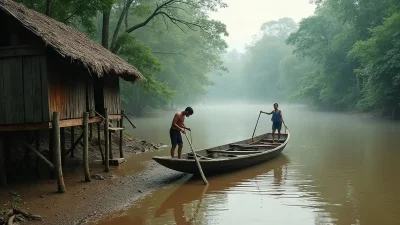
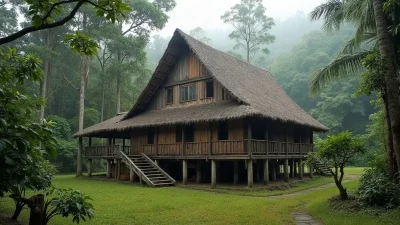
The uma is more than just a building; it’s the heart of Mentawai community life. This large wooden longhouse stands on stilts by the river, serving as both home and ritual center for a clan. Inside, the uma is a space for communal living, where families gather to share meals, stories, and traditions. The structure is surrounded by family houses, pig pens, chicken coops, and sago-processing areas, reflecting the self-sufficient lifestyle of the Mentawai people. Staying in an uma offers a rare glimpse into the daily rhythms of the community, where you can participate in cooking, farming, and other activities that define the Mentawai way of life. It’s important to approach the uma with respect, understanding that some areas and objects are sacred and should not be touched or photographed. Through this experience, you’ll witness how the uma is a symbol of unity and cultural preservation, integral to the survival of Mentawai traditions.
How are titi tattoos linked to the belief?
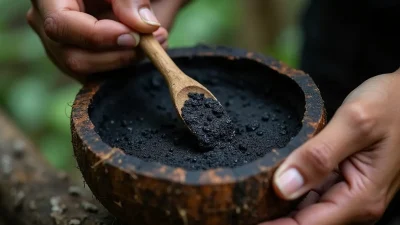
Mentawai tattoos, or titi, are not mere body art; they are a visual language that tells the story of Mentawai identity and beliefs. This ancient hand-tapped tattoo tradition is believed to be one of the oldest in the world, with designs that reference the ‘tree of life,’ spirit paths, and clan identity. The process involves tapping wooden or bone needles to embed soot or charcoal pigment into the skin, creating intricate patterns that are both personal and communal. During the New Order era, tattooing was discouraged, but today, many young Mentawai are reclaiming this practice as a way to connect with their heritage. If you have the opportunity to witness the titi process, remember to ask for permission before taking photographs, as these tattoos hold deep cultural significance. By understanding the art of titi, you can appreciate the resilience and pride of the Mentawai people in preserving their cultural identity.
Why does sago matter so much?
Sago, the staple food of the Mentawai, is more than sustenance; it’s a connection to the land and the ancestors. Derived from the sago palm, the starch is extracted by pounding, washing, and filtering the trunk to produce a versatile ingredient cooked into cakes or porridge. This labor-intensive process is a communal activity, often involving multiple family members. Sago is central to the local diet, providing the necessary carbohydrates for an active lifestyle. During your visit, you’ll have the chance to participate in sago processing, gaining insight into the traditional methods that sustain the community. This experience is a reminder of the close relationship families maintain with the forest and the importance of preserving these practices for future generations. Sago is not just food; it’s a symbol of resilience and adaptability in the face of changing times.
What makes Siberut’s forest so special?
Siberut Island is a global biodiversity hotspot, home to unique flora and fauna found nowhere else on Earth. The island’s rich ecosystems range from lowland rainforests to mangroves and peat-swamp forests, protected within the Siberut National Park. This park covers approximately 1,905 square kilometers, offering a sanctuary for numerous endemic species. Among the most notable are the Kloss’s gibbon, Mentawai macaque, pig-tailed langur, and Mentawai langur, all of which are threatened. While wildlife sightings can never be guaranteed, the possibility of hearing bilou gibbons calling at dawn adds to the allure of the Mentawai wilderness. As you explore Siberut, you’ll gain a deeper appreciation for the delicate balance required to preserve these habitats. Responsible tourism practices, such as obtaining park permits and respecting local customs, are essential to ensuring that these unique biodiversity thrives. Learn more about the park’s conservation efforts through the Indonesian Ministry of Environment and Forestry.
How do you visit Siberut to learn about arat sabulungan?
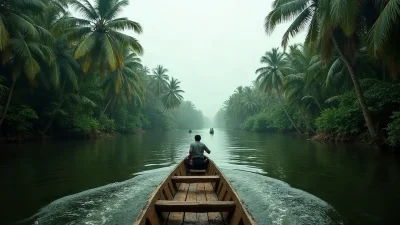
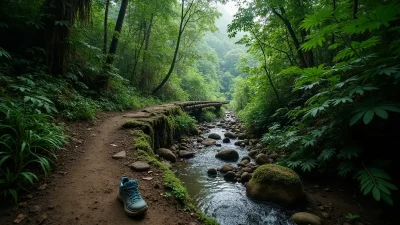
Reaching Siberut requires careful planning, as the island is accessible only by sea. Most travelers begin their journey in Padang, West Sumatra, where boats depart from Muara port to Siberut. The modern fast ferry takes roughly 3.5-4.5 hours, while slow overnight cargo-passenger boats take 8-12 hours. Travel schedules are limited and weather-dependent, so it’s crucial to reconfirm departures close to your travel dates. Upon arrival, you’ll continue your journey by small motorized canoe and on foot, navigating steep, muddy trails and river crossings. A typical trek lasts 3-7 days, with accommodations in uma or nearby, where you’ll sleep on raised platforms with basic amenities. This is not a luxury experience, but a chance to immerse yourself in the authentic lifestyle of the Mentawai people. For health considerations, consult a travel clinic about malaria prophylaxis and vaccinations. Learn more about safe travel practices from the TravelHealthPro website.
To see how a respectful visit works, read our guides to the Mentawai tribe tour and a sikerei shaman visit, and the background on the sikerei. For help planning, please contact the planning desk. Experience the living culture of the Mentawai, where every journey is a step towards understanding and preserving this unique way of life.