A Mentawai traditional tattoo tour is a guided trip into south Siberut, usually toward villages such as Matotonan, Butui or Madobag, to meet elders who carry titi tattoos and sometimes a practitioner who still hand-taps them. Receiving a tattoo yourself is never guaranteed; it depends on community consent, practitioner availability, hygiene and how much time you allow.
The Mentawai titi is one of the oldest continuing tattoo traditions in the world, and it draws a particular kind of traveller: tattoo collectors, artists, anthropology students and people who simply want to understand what those fine lines across a sikerei’s chest and shoulders mean. A Mentawai traditional tattoo tour is built around that interest. This page explains how such a tour works, the difference between seeing titi and receiving it, the health and ethical questions you should settle before you leave Padang, and how to plan the trip. For the wider picture of travel in the archipelago, see our main guide to mentawai islands tours.
We are an independent planning guide. We do not employ tattoo practitioners and cannot promise anyone will tattoo you. We help you understand the options and connect with established local guides who know the communities.
What titi is, and why it matters
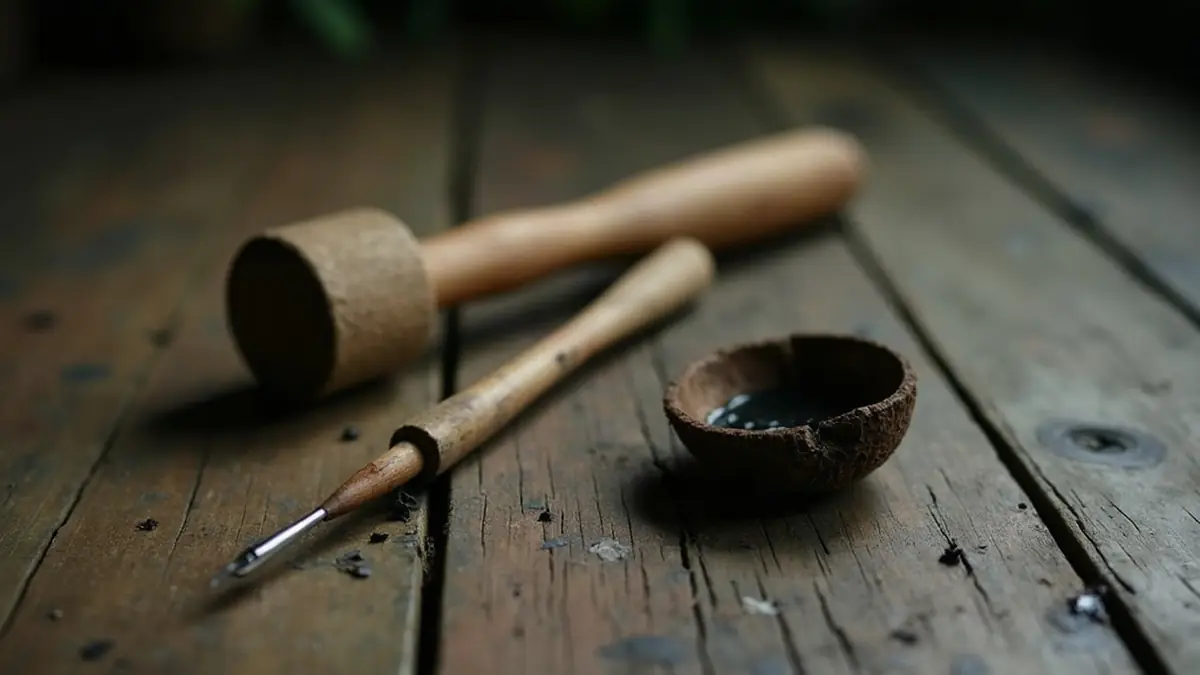
Titi is a hand-tapped tattoo. Traditionally a sharp point, historically a thorn or later a metal needle, is fixed to a small wooden shaft, dipped in pigment and tapped into the skin with a second stick. Reported pigments use soot, for example from coconut shell or the cooking fire, mixed with sugar-cane juice. Recipes vary by community and practitioner.
The designs are not decoration in the Western sense. They can express clan identity, adulthood, life experience and the person’s relationship with Arat Sabulungan, the Mentawai belief system that connects people, ancestors and the forest. Tattooing has usually been carried out by a trained specialist, often referred to as a sipatiti or sipaniti, sometimes with a sikerei involved. The tradition was suppressed after the 1954 ban on the old religion, and fewer young people carry full titi today. Our article on the titi tattoo tradition covers the motifs and history in depth, and the Mentawai tattoo revival explains how artists and elders have been documenting the practice since around 2009.
Seeing titi versus receiving titi
Most visitors on a Mentawai traditional tattoo tour spend their time learning about titi rather than getting one. That is the more respectful default. You meet tattooed elders, hear what their marks mean to them, and, with permission, photograph the work. Some travellers, after time with a community, ask whether they may receive a small tattoo. Sometimes the answer is yes. Sometimes it is no, or not now. Both are valid.
| Tour type | Typical length from Padang | What happens | Chance of receiving a tattoo |
|---|---|---|---|
| Cultural visit with tattoo focus | 4–5 days | Uma stay, conversations with tattooed elders, photography with consent | Low; not the purpose |
| Extended tattoo-culture stay | 6–9 days | Time in villages known for tattoo tradition, such as Matotonan, Butui or Madobag; possible meeting with a practitioner | Possible if the community agrees |
| Documentation or research trip | 7 days or more, custom | Interviews, recording motifs, working with a translator | Depends entirely on relationships |
Matotonan, Butui (a hamlet of Madobag) and Ugai are mentioned repeatedly in cultural reporting on Mentawai tattooing. That does not mean tattooing is available on demand there. Treat any operator who guarantees a tattoo with caution.
Ethics: questions to settle before you go
- Consent. Has the practitioner, and the community, agreed to tattoo outsiders? Your guide should ask well before you arrive.
- Motifs. Some designs belong to particular clans, roles or life events. Ask what is appropriate for a non-Mentawai person, and accept a simple design if that is what is offered.
- Payment. Agree a fair payment through your guide in advance, and ask who receives it. Research on tourism in Matotonan has noted that commercialisation can change how tattoos are made and what they mean.
- Photography and filming. Ask separately. Being tattooed does not give you the right to film a ritual.
- Your reason. Be honest with yourself. A titi is a cultural mark, not a souvenir. If you cannot explain what it means to you, wait.
Health and hygiene on a tattoo tour
Traditional tools and pigments may not meet modern sterilisation standards, and you will be days from a clinic. The risks include bacterial infection, tetanus, allergic reactions, scarring and, if any instrument is reused, blood-borne infections such as hepatitis or HIV. Before agreeing to anything:
- Make sure your tetanus vaccination is current and talk to a travel clinic about hepatitis B.
- Ask that the point that enters your skin is new or properly sterilised. Some travellers bring sealed sterile needles as a respectful offer, but ask the practitioner first.
- Bring antiseptic, sterile dressings and a broad-spectrum antibiotic prescribed by your doctor.
- Plan the timing. A small tattoo usually needs roughly two to four weeks for the surface to heal. Getting tattooed on day two of a trek, then wading through rivers and mud, is a bad idea. Many people schedule it near the end of their stay.
- Seek medical care quickly for spreading redness, pus, fever or red streaks.
Our page on staying well in Mentawai covers malaria, leeches and first-aid kits.
Planning logistics
The route is the same as any south Siberut trip: fly to Padang, take the fast ferry to Maileppet near Muara Siberut (about four hours on the direct sailing, generally three times a week), then travel up the Rereiket river by motorised canoe. Madobag is roughly three hours upriver; Matotonan, the farthest of the usual villages, is around five to six hours, depending on water level. Allow buffer days for weather, and do not book tight onward flights.
Quick facts
- Tradition: titi, hand-tapped tattoo using soot-based pigment
- Villages associated with tattoo culture: Matotonan, Butui, Ugai, Madobag (all in south Siberut)
- Realistic trip length: 5–9 days from Padang if a tattoo is part of the plan
- Healing: roughly 2–4 weeks for surface healing of a small tattoo
- Guarantee: none; receiving titi depends on consent and timing
Frequently asked questions
Can tourists get a traditional Mentawai tattoo?
Sometimes, through a trusted guide and with the community’s agreement. It is not routinely offered everywhere, and a genuine practitioner may decline.
Does the hand-tapped method hurt more than a machine?
Experiences vary. Many describe it as slower and more rhythmic. The session for even a small design can take longer than with a machine.
Which motif will I receive?
That is for the practitioner to suggest. Many visitors receive simple lines or a small motif suitable for an outsider rather than clan-specific designs.
Is a tattoo tour different from a normal cultural tour?
The route is similar. The difference is focus: more time in villages known for tattoo tradition, more time with elders, and preparation for health and consent questions.
Can I combine it with trekking?
Yes. Many people trek first and spend the final days in a village, which also protects a fresh tattoo from river water and mud.
Plan your Mentawai traditional tattoo tour
Tell us whether you want to learn about titi or hope to receive one, and how much time you have. We will help you plan a respectful Mentawai traditional tattoo tour and connect you with established local guides. Message us on WhatsApp or email bd@juaraholding.com.