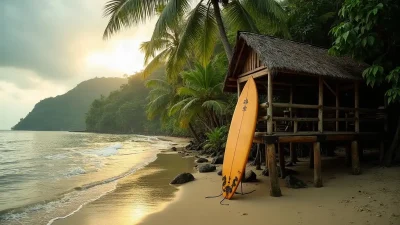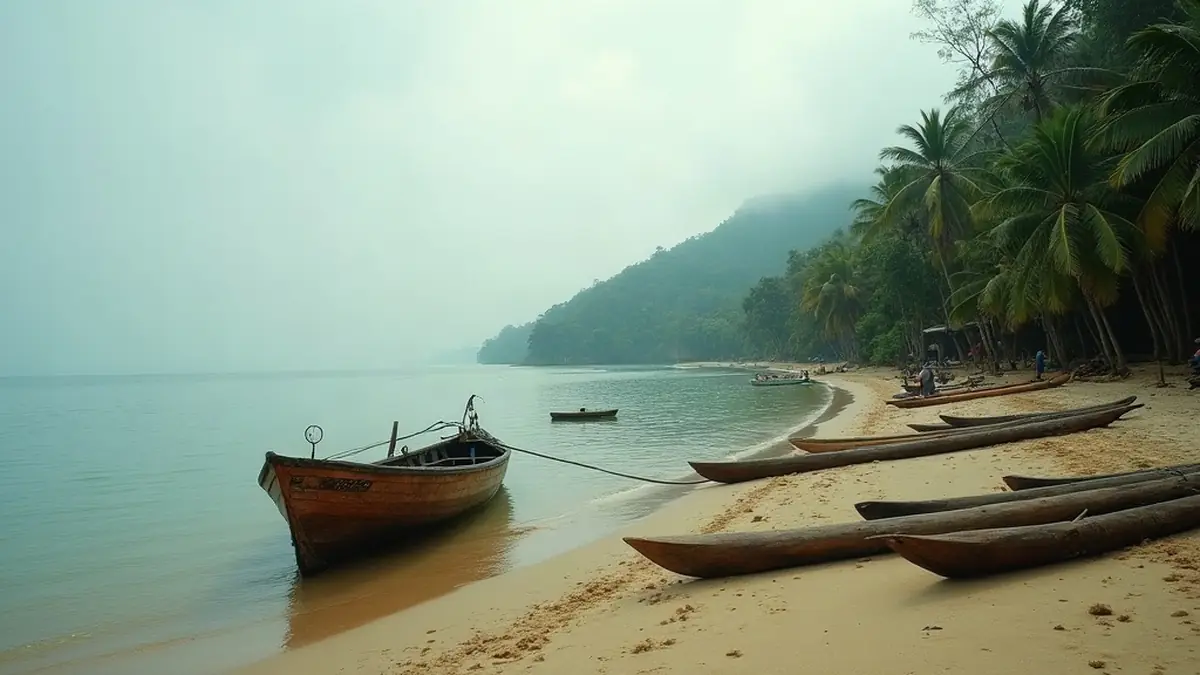
Mentawai surf trip culture etiquette comes down to treating villages as homes, not attractions. Ask before landing or entering a house, dress modestly ashore, ask before photographing anyone, pay the regency surf levy, buy directly and fairly from locals, and take all rubbish back to the boat or camp. On Siberut, visit uma only through a local guide.
Most surfers who come to the Mentawai Islands spend their days on a charter boat or at a surf camp, and only brief moments ashore. Those moments matter. The waves you surf break beside villages where people have lived for generations, and how surfers behave shapes how welcome the next group will be. Good Mentawai surf trip culture etiquette is mostly common sense, but some of it is specific to these islands. This guide covers village visits, dress, photography, money, waste and how to add a respectful cultural visit to Siberut.
Who lives near the surf breaks
The Mentawai are an Indigenous people spread across Siberut, Sipora and North and South Pagai. Surf tourism is concentrated around the southern islands and the smaller islets of the Playgrounds area, where most villages are Christian or Muslim and life revolves around fishing, gardening and church or mosque. Siberut, the largest island, keeps more of the traditional uma (clan longhouse) culture, sikerei healers and titi tattoos in its interior. Customs differ from place to place, so local advice always beats general rules.
Mentawai surf trip culture etiquette ashore
Landing and walking through a village
- Ask the boat crew or camp staff whether a landing is welcome before you go ashore. An itinerary is not permission.
- Use the usual landing point and paths, and keep groups small and quiet.
- Do not enter a house or uma without an invitation. Remove footwear if asked.
- Avoid arriving during church services, prayers, funerals or ceremonies unless invited.
Dress
Boardshorts and bikinis are fine on the boat and in the water but not on a village path. Put on a shirt and shorts or a sarong that covers shoulders and thighs before you step ashore. It costs nothing and shows respect for local religious norms.
Photography and drones
Ask before photographing people, homes and especially children. Accept a refusal. Never fly a drone over a village or ceremony without clear permission from local leaders. Our article on photographing Mentawai respectfully has practical guidance that applies equally to surfers.
Money: levies, buying and tipping
The Mentawai Islands Regency charges foreign surfers a surf levy, a retribution fee that goes into regional revenue. The amount, validity period and collection method have changed over time, so ask your charter or camp what the current figure is, whether it is included in your package and who pays it. Keep the official receipt.
| Situation | Do | Avoid |
|---|---|---|
| Surf levy | Confirm current amount and keep the receipt | Assuming your package includes it |
| Buying fruit, coconuts, crafts | Agree a price first and pay fairly | Hard bargaining over small sums |
| Children | Interact warmly, ask staff about suitable gifts | Handing out sweets, cash or clothes |
| Tipping | Tip crew, guides and cooks through the operator | Cash to random people on the beach |
| Cultural items | Buy from makers or community cooperatives | Pressuring people to sell personal or ritual objects |
Carry small rupiah notes ashore. Paying a fair price to a family selling coconuts or a carved board does more good than any donation handed out at random.
Reef, waste and water
Island communities live with whatever visitors leave behind. Take all rubbish back to the boat or camp, including cigarette ends, wax wrappers, broken leashes and sunscreen bottles. Never throw anything overboard. Avoid standing on coral, collecting shells or buying marine souvenirs. Use reef-friendly sunscreen where possible, and use the boat’s or camp’s own procedures for sewage and waste. Fresh water is limited on many islets, so keep showers short.
Language and small courtesies
Most people in surf-area villages speak Indonesian as well as Mentawai. A few words go a long way: terima kasih (thank you), permisi (excuse me, used when passing or entering) and selamat pagi (good morning). Smile, greet older people first and accept a seat if one is offered. If someone invites you in for coffee, a short visit is polite, and it is fine to decline kindly if the boat is leaving. Ask the crew about any local rules on swimming near village water sources or walking through gardens, and follow them without debate. Small gestures like these are noticed and remembered long after the swell has passed.
In the line-up
Local surfers, many of them young people from nearby villages, surf the same breaks. Share waves, respect the local crew and do not drop in. Some camps and charters say they support local surfers or community projects. Ask your operator what that means in practice and, if you want to help, do it through an established project rather than individually.
Adding a cultural visit to Siberut
Many surfers want to see the traditional Mentawai culture they have read about. The way to do that respectfully is to plan it as its own trip, not a quick stop from a boat. Siberut’s uma are reached by motor canoe and on foot from Muara Siberut, and families host guests through guides they know. Two or three nights at one uma is far more meaningful than a one-hour visit. Our page on the Mentawai surf and trek combination explains how to fit both into one itinerary, and the general Mentawai cultural etiquette guide covers behaviour inside an uma.
- Do not ask for a ceremony, tattooing or a hunting demonstration to be performed.
- Let your guide handle gifts; coffee, sugar and tobacco are commonly suggested.
- Ask before every photograph, and again before filming any ritual.
Quick facts
- Dress ashore: cover shoulders and thighs
- Surf levy: charged by the regency; confirm current amount and keep the receipt
- Religion in surf areas: mainly Christian and Muslim villages
- Traditional culture: strongest in Siberut’s interior
- Photography: ask first, especially with children
- Waste: take everything back to the boat or camp
Frequently asked questions
Can I visit a village from a surf charter?
Often yes, if the crew confirms it is welcome. Keep the group small, dress modestly and follow local instructions about where to go.
Do I have to pay the Mentawai surf levy?
Foreign surfers are expected to pay it. Ask your operator for the current amount and whether it is included in your package, and keep the receipt.
Is it okay to give things to children?
Handing out sweets, money or clothes encourages begging and can cause problems. Ask your camp or charter about school or community projects instead.
Can I see a traditional uma on a surf trip?
Yes, but plan it as a separate few days on Siberut with a local guide. A brief stop from a boat is rarely appropriate.
What should I wear in a village?
A shirt and shorts or a sarong covering shoulders and thighs. Leave surf wear for the boat and the beach.
Plan a surf and culture trip
As an independent guide to Mentawai tourism, we help surfers plan respectful cultural time on Siberut alongside their surf days. Message us on WhatsApp at +62 811 3941 4563 or email bd@juaraholding.com.