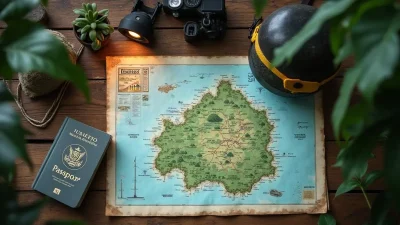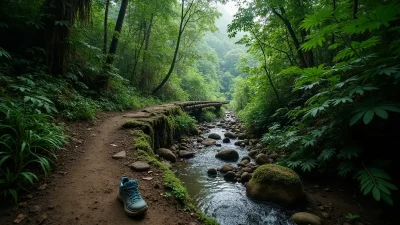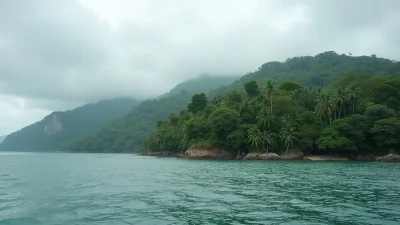
A Siberut rainforest tour is a guided nature trip on Siberut island built around its forest, rivers and wildlife, especially four endemic primates such as the bilou, or Kloss’s gibbon. Expect dawn walks, canoe travel and nights in simple uma or village homestays. Sightings are never guaranteed, so allow five days or more from Padang.
Siberut has been separated from mainland Sumatra for a very long time, and its forest evolved its own cast of animals. That is the draw of a Siberut rainforest tour: the chance to hear a Kloss’s gibbon sing at first light, to glimpse a simakobu in the canopy, or to pick out a Mentawai scops owl by torchlight. It is also a place where wildlife watching is genuinely hard. Animals are wary, the canopy is high and dense, and in many areas they are still hunted. This page explains what you might see, where and when, how a wildlife-focused tour differs from a cultural trek, and how to watch responsibly. For a wider view of travel across the islands, see our guide to mentawai tourism.
We are an independent planning guide. We do not run tours; we help you plan and connect with established local guides who know the forest.
Wildlife you may encounter on a Siberut rainforest tour
| Species | Local name | When and where | Realistic expectation |
|---|---|---|---|
| Kloss’s gibbon | Bilou | Dawn, often before sunrise, high canopy | Often heard; seeing one takes patience |
| Mentawai langur | Joja | Morning, mid to upper canopy | Possible with time in quieter forest |
| Pig-tailed langur (simakobu) | Simakobu | Daytime, canopy; shy | Uncommon sighting; heavily hunted in places |
| Mentawai / Siberut macaque | Bokkoi | Forest edges and gardens | Possible, sometimes near fields |
| Mentawai scops owl | — | Dusk and night | More often heard than seen |
| Squirrels, lizards, frogs, insects | — | Day and night, near streams | Frequent, especially on night walks |
| Hornbills and kingfishers | — | Rivers and canopy | Regular along rivers |
No reliable published sighting rates exist for Siberut, and an honest guide will not promise any particular animal. More forest days, earlier mornings and smaller groups all improve your chances. Our articles on Siberut’s four endemic primates and the bilou, Siberut’s singing ape give background on each species.
Habitats you pass through
Lowland and hill rainforest
Most walking is in lowland and low hill forest, a mix of primary forest and older secondary growth around clan gardens. Tall dipterocarp trees, strangler figs and rattan dominate. Primates favour the higher, less disturbed patches.
Rivers and swamp forest
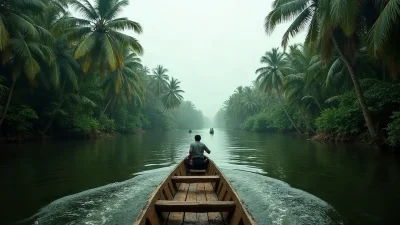
The river journey is part of the wildlife tour. From a slow-moving canoe you can watch kingfishers, lizards basking on the banks and, sometimes, primates feeding over the water. Freshwater swamp forest near the rivers is hard to walk in but rich in birds and insects.
Mangroves and coast
Mangrove channels near the coast add another habitat on the way in or out of Muara Siberut. A short canoe trip at the right tide is an easy add-on.
How a wildlife-focused tour differs from a cultural trek
- Timing: wake before dawn for gibbon calls and the best primate activity; add dusk and night walks for owls, frogs and insects.
- Pace: fewer kilometres, more sitting quietly at viewpoints and fruiting trees.
- Route: more days in quieter forest areas further from villages, where hunting pressure may be lower.
- Group size: one to four people works best; a large group scares animals away.
- Guide: look for someone who knows calls and tracks, and ask about their wildlife experience specifically.
Most visitors still stay in uma with Mentawai families, so culture and wildlife blend. If you want park permits and logistics explained in detail, see our page on the Siberut National Park tour.
A day on a wildlife-focused tour
A typical day starts around five in the morning. You leave the uma by headlamp with your guide and walk twenty or thirty minutes to a ridge or a fruiting tree, then wait. As the light comes up, gibbon song carries across the valley, first one group, then another answering. If you are lucky, a family moves through the canopy above you. By eight the forest goes quieter and you head back for breakfast. Late morning is for a longer walk, looking at plants, tracks and insects with your hosts, or a canoe trip along the river. The early afternoon is often rainy and is a good time to rest, sort photos and dry gear. Late afternoon brings another active window, and after dinner a slow night walk near streams turns up frogs, stick insects, spiders and sometimes an owl calling nearby.
Best time of day and season
Dawn is the most rewarding time for primates and birds. Midday is usually quiet and hot, with heavy rain often arriving in the afternoon. Night walks with a headlamp reveal a different world of frogs, insects and, occasionally, owls. Siberut has rain in every month. February to September is often a little drier than November to January, which makes trails easier and early starts more pleasant, but wildlife is present year-round.
Watching wildlife responsibly
Hunting with bows and arrows is part of traditional Mentawai life, and you may see skulls of hunted animals in an uma. Respect that, ask questions and learn. At the same time, avoid anything that turns wildlife into a commodity:
- Do not pay to see or photograph captive primates or birds, including pets.
- Do not use playback of calls to draw animals in.
- Keep voices low and stay on the path your guide chooses.
- Never feed wildlife.
- Take out all rubbish, including food scraps.
What to bring for wildlife watching
- Binoculars, ideally waterproof (8×42 is a good all-round size)
- A camera with a telephoto lens and rain cover; humidity fogs lenses, so bring silica gel and lens cloths
- A red-light headlamp for night walks
- Muted, quick-dry clothing and leech socks
- A notebook or app for recording what you see and hear
Suggested lengths
| Length from Padang | Forest days | Best for |
|---|---|---|
| 4 days | 1–2 | Hearing gibbons, a general introduction |
| 5–6 days | 3–4 | A reasonable chance at primates and night wildlife |
| 7–10 days | 5 or more | Serious wildlife watchers and photographers |
Packaged trips listed in 2024–2025 typically cost around USD 130–220 per person per day. Private wildlife-focused itineraries can cost more, and prices vary by operator, season and group size.
Gentler ways to see the Siberut rainforest
Not everyone wants long muddy days on foot. A rainforest tour on Siberut can also be built around the river, with short walks and nights in an uma close to the water. You will see less of the deep interior, but the forest edge and riverbanks are often where langurs and macaques show themselves.
River and mangrove canoe trips
Motorised pompong and smaller dugout canoes are the island’s normal transport. A slow trip upriver, with stops at forest gardens and sago groves, shows how the rainforest and Mentawai life fit together. Near the coast, mangrove channels are good for kingfishers and other birds.
A short uma stay near the river
Some uma in the lower Rereiket area can be reached with a short walk after the boat. One or two nights there gives you dawn and dusk in the forest, which are the best hours for hearing gibbons, without a hard trekking day.
Kulukubuk waterfall
The Kulukubuk waterfall in the Madobag area is a common half-day outing: a river trip followed by a forest walk. Treat it as a bathing place that matters to local people, and ask your guide where and when swimming is appropriate.
What “easy” should mean
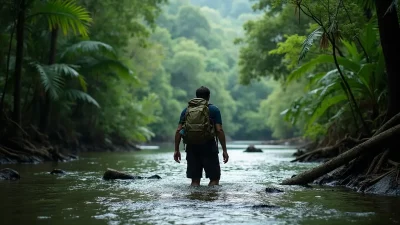
Ask the guide how many hours you will walk each day, whether there are log bridges or waist-deep crossings, and what happens if it rains hard overnight. An honest operator will tell you that even a gentle route includes mud and heat.
Quick facts
- Endemic primates: bilou, joja, simakobu, bokkoi
- Best time of day: dawn and early morning; night walks for nocturnal species
- Habitats: lowland and hill rainforest, swamp forest, rivers, mangroves
- Minimum length: 5 days from Padang recommended for wildlife
- Health: ask a travel clinic about malaria prevention; use repellent and a net
Frequently asked questions
What wildlife can I see while trekking on Siberut?
Gibbons are commonly heard, and macaques, langurs, squirrels, hornbills, lizards, frogs and insects are regularly seen. Shy species such as the simakobu are uncommon.
Is a Siberut rainforest tour good for birdwatching?
Yes, for patient birders. The forest is dense and birds can be hard to see, but rivers and forest edges help.
Do I need a special guide for wildlife?
Ask for one. Many guides focus on culture; a guide who knows calls and feeding trees makes a big difference.
Are there dangerous animals?
Serious encounters are rare. Snakes exist but are seldom seen. Mosquitoes, because of malaria risk, are the real concern.
Can I combine wildlife and a cultural stay?
Yes. Most wildlife tours stay in uma with Mentawai families, so the two combine naturally.
Can I see the Siberut rainforest without trekking?
Yes, partly. River trips by canoe, a short walk to an uma near the water and outings such as the Kulukubuk waterfall show the forest edge and its birds and primates. You will not reach the deeper interior, and some walking in mud is still unavoidable.
Plan your Siberut rainforest tour
Tell us which species you hope to see and how many days you have, and we will help you shape a Siberut rainforest tour and connect you with established local guides who know the forest. Message us on WhatsApp or email bd@juaraholding.com.