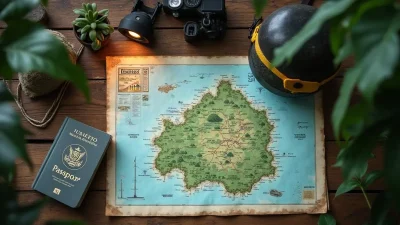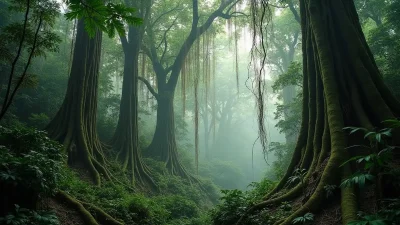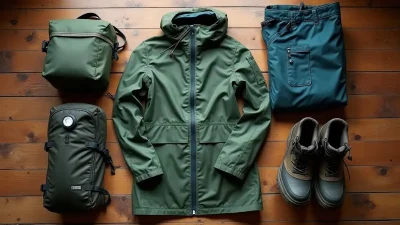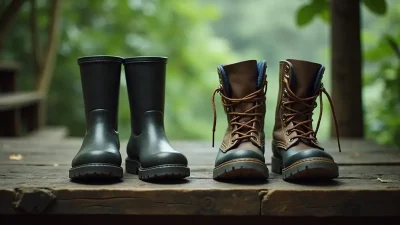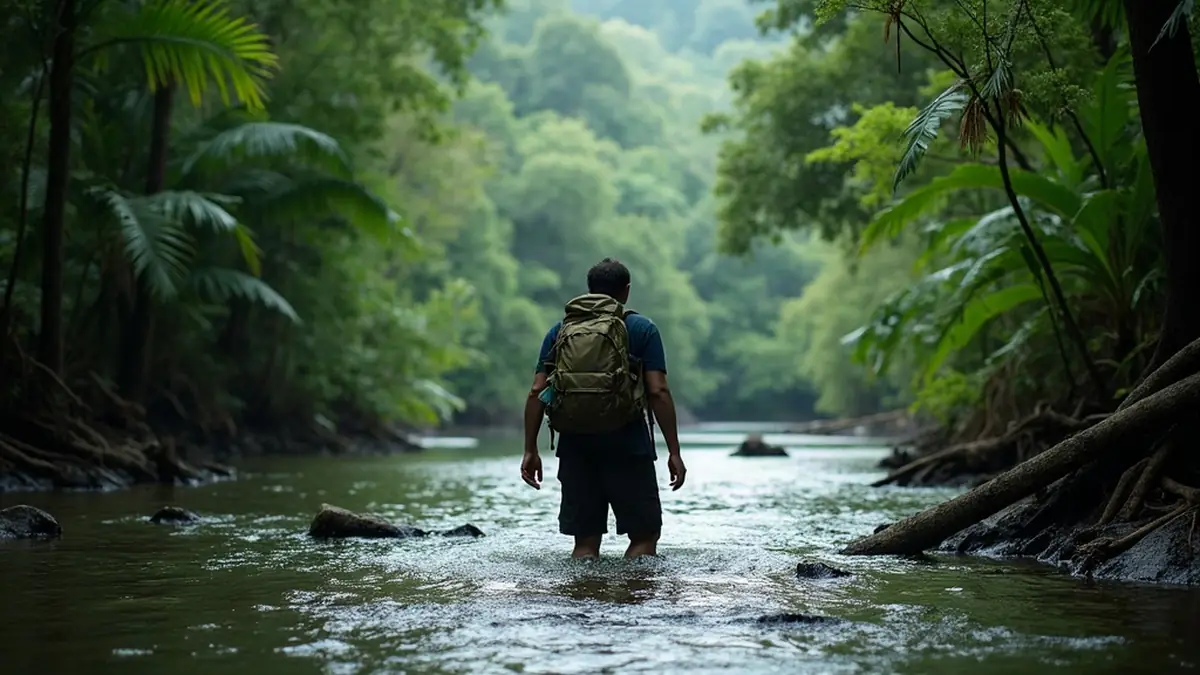
On a Mentawai rainforest trek, expect three to five hours of slow, muddy walking on most trekking days, river crossings and log bridges, heat and humidity, leeches after rain, and nights on the floor of a clan uma with simple food and no electricity. Expect quiet evenings by the hearth with your hosts.
Most people who book a trek on Siberut have seen the photographs and read the itineraries. What they rarely find is an honest description of how the days actually feel. This page walks through a trek from the moment you leave Padang to the walk back to the boat, so you know what is coming and can decide whether it suits you. It is part of our wider planning guide to mentawai island tours on Siberut.
The journey in
The trek starts long before you walk. You leave Padang on an early ferry and arrive at Maileppet, the port for Muara Siberut, after about four hours on a direct sailing or around seven if the boat calls in north Siberut first. The sea can be rough. In Muara Siberut your guide buys supplies and sorts out paperwork, and then you board a pompong, a motorised dugout canoe, for the trip upriver. Expect to sit low on a wooden plank for one to several hours, with spray, sun or rain, and to climb out and push if the water is low.
A typical trekking day
| Time | What usually happens |
|---|---|
| 05:30–06:30 | Roosters, pigs and gibbon calls wake the uma; coffee by the hearth |
| 07:00 | Breakfast of rice or sago with fish or noodles |
| 08:00–12:00 | Walking: forest paths, mud, log bridges and streams, with rest stops |
| 12:00–13:00 | Lunch on the trail or at a garden hut |
| 13:00–15:00 | Shorter afternoon walk, or arrival at the next uma |
| 15:00–18:00 | River bath, rest, joining small tasks if invited |
| 18:30 onwards | Dinner, talk and quiet by the fire; early sleep |
Not every day is a trekking day. Many trips mix walking days with days spent in one uma, when you might go to the sago garden, fish in the river or watch someone make a bow.
What the trail is really like
The distances are short, often under ten kilometres in a day, but you will move slowly. Expect:
- Mud that can reach your shins and pull at your footwear.
- Log bridges over streams and swamp, sometimes a single slippery trunk with no handrail. Guides will help; there is no shame in crossing on hands and knees.
- River crossings from ankle to waist deep, more after rain.
- Heat and humidity that make you sweat through every layer within minutes.
- Leeches on wet days, harmless but unsettling the first time.
- Shade most of the way, which keeps the sun off but traps the humidity.
If overnight rain has been heavy, a planned four-hour walk can be cut short or rerouted. Good guides adjust without fuss.
Nights in the uma
You sleep on the wooden floor of the clan longhouse on a mat or thin mattress, under a mosquito net, close to the family and often their dogs. There is usually no electricity, so evenings are lit by the fire and headlamps. Washing is in the river, toilets are basic or absent, and the household gets up early. Our guide to a Mentawai uma homestay covers the practical details.
Food on the trail
Meals are what the family eats, often with extra supplies bought by your guide. Expect sago, taro, bananas, rice, river fish and greens, sometimes chicken or pork for a special occasion. Food is plain and filling. If you have dietary needs, discuss them before the trip, not on arrival. Water is boiled; carry a filter as backup.
The people you meet
The Mentawai families who host you are not performers. They will be friendly and curious, and they will also be busy: tending pigs, processing sago, fishing, looking after children. Conversations happen through your guide and grow over the days. If there is a sikerei in the household, you may see ritual preparations, but nothing is put on for guests. Many visitors find the ordinary moments the most memorable: a shared joke at dinner, a child teaching you a word, an elder explaining a tattoo.
Wildlife
You will hear more than you see. Kloss’s gibbons sing at dawn, birds call all day and insects fill the nights. Primates such as the Mentawai langur and macaque are occasionally seen in the canopy, but sightings are brief and never guaranteed. If wildlife is your main interest, a wildlife-focused route works better than a cultural trek.
What surprises people most
- How modern parts of village life are, with phones, motorbikes and churches.
- How tiring the mud is compared with the short distances.
- How quickly the routine of the uma becomes comfortable.
- How quiet the evenings are without screens or power.
- How much the trip depends on the guide’s relationships with families.
Quick facts
- Walking: about 3–5 hours on trekking days, longer in deeper forest
- Terrain: mud, roots, log bridges and river crossings
- Climate: hot, humid and wet in every month
- Nights: uma floor, mosquito net, no electricity
- Food: sago, taro, rice, fish and greens
- Wildlife: gibbon calls at dawn; primate sightings brief and not guaranteed
Frequently asked questions
What should I expect on a Mentawai rainforest trek?
Expect slow, muddy walking of a few hours a day, river crossings and log bridges, high humidity, simple food and nights on an uma floor without electricity, along with time to share the daily life of a Mentawai family.
Is it as hard as it looks?
The distances are short, but mud, heat and log bridges make it tiring. People of ordinary fitness manage well at a steady pace, especially on routes that use the river for part of the way.
Will I be able to charge my phone?
Rarely in forest uma. Some villages have a few hours of generator or solar power. Bring a power bank for several days.
What if I get sick or injured?
Tell your guide straight away. Minor problems are treated with your first-aid kit; serious ones mean a boat back to Muara Siberut and possibly Padang, so travel insurance with evacuation cover is essential.
Will I see a ceremony?
Only if one happens to take place while you are there. Ceremonies follow the family’s needs, not visitor schedules, and should never be requested.
Ready for the trail
Before you go, check our Mentawai rainforest trek packing list and our guide to Mentawai trekking routes and seasons. We are an independent planning guide, not a tour operator, and can help you connect with an established local guide on Siberut. Message us on WhatsApp or email bd@juaraholding.com.