A Siberut National Park tour is a guided trip into the roughly 190,500-hectare protected rainforest on Siberut, the largest Mentawai island, declared a national park in 1993. Most visitors take the fast ferry from Padang, travel upriver by canoe with a local guide who helps arrange the conservation-area permit, and combine forest walks with Mentawai villages.
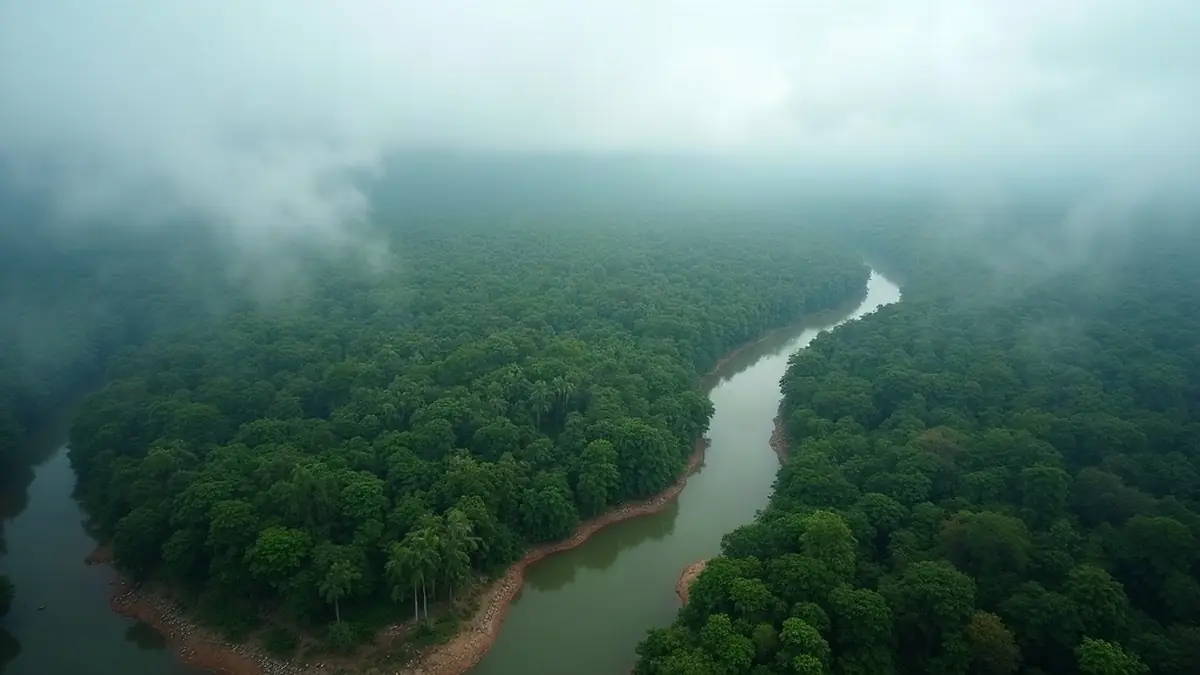
A Siberut National Park tour is the main way travellers experience the forest that makes Siberut special: lowland and hill rainforest, swamp forest and mangroves, home to four primates found nowhere else on Earth. Because there are no roads into the interior and no visitor centre with marked trails, every tour is guided and every tour depends on the river. This page explains what the park protects, how a tour inside or alongside it works, what permits are involved, what types of tour you can choose, and the rules that keep the forest and its people protected. For a wider look at travel across the archipelago, see our guide to mentawai island tours.
We are an independent planning guide. We do not operate tours or hold park concessions; we help you plan and connect with established local guides on Siberut.
What Siberut National Park protects
The park covers about 1,905 square kilometres, close to half of Siberut island, and was established by Indonesia’s Ministry of Forestry in 1993. Much earlier, in 1981, UNESCO recognised the whole island, around 403,000 hectares, as a biosphere reserve under its Man and the Biosphere programme. The park is managed by the Balai Taman Nasional Siberut, the national park office, under the Ministry of Environment and Forestry. You can read the UNESCO overview of the Siberut biosphere reserve.
The headline species are the four endemic primates: Kloss’s gibbon (bilou), the Mentawai or Siberut macaque (bokkoi), the Mentawai langur (joja), and the pig-tailed langur or simakobu. The forest also shelters endemic squirrels, many birds including the Mentawai scops owl, reptiles, amphibians and a huge variety of insects. Our guide to what wildlife you can see in Siberut National Park gives realistic sighting odds; this page focuses on the tour itself.
How a Siberut National Park tour works
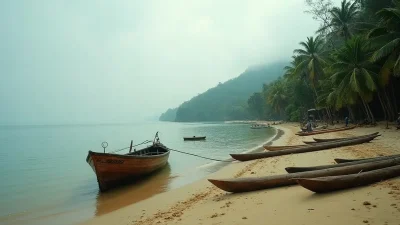
- Padang to Siberut. The Mentawai Fast ferry generally sails three times a week from Muaro Padang. The direct crossing to Maileppet, near Muara Siberut, takes about four hours.
- Paperwork in Muara Siberut. Your guide confirms permits and buys supplies.
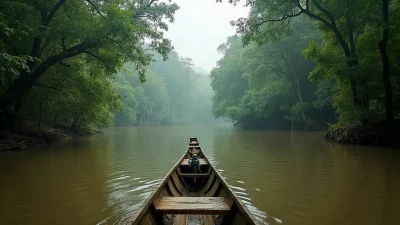
- Upriver. A motorised canoe follows the Rereiket river system into south Siberut, the usual access to forest and clan land.
- Forest days. Walks of two to six hours through mud and over streams, staying in uma or village homestays, with dawn and dusk outings for wildlife.
- Return. Back downriver and onto the ferry. Leave a buffer day for weather.
Note that the park landscape and Mentawai clan land overlap and border each other; much of what visitors see is community forest, gardens and protected forest in one continuous landscape. A good guide will explain where you are and whose land you are crossing. For full logistics, see how to visit Siberut.
Permits and paperwork
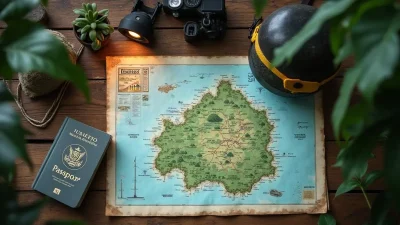
Foreign visitors entering a conservation area in Indonesia normally need a SIMAKSI, a conservation-area entry permit, processed through the park office. The current entry fee for foreign visitors is set under national regulations and changes from time to time, so confirm it with your guide or the park office rather than relying on figures found online. Whether a police travel letter (surat jalan) is also required has varied over the years; your guide should check current practice before you travel. Carry your passport and a few photocopies.
Siberut National Park tour options
| Tour type | Typical length from Padang | Focus | Who it suits |
|---|---|---|---|
| Rainforest and culture trek | 4–7 days | Forest walks between uma, daily life with a clan | Most visitors |
| Wildlife-focused tour | 5–8 days | Dawn and night walks, quieter forest areas, patience | Birders, primate enthusiasts, photographers |
| River-based soft tour | 4–5 days | Canoe travel, short walks, one uma stay | Travellers who prefer less walking |
| Research or documentary trip | Custom | Permits for study or filming, specific sites | Scientists, filmmakers, students |
Packaged trips listed publicly in 2024–2025 typically cost around USD 130–220 per person per day, depending on group size, route and what is included. Prices vary by operator and season. Research and filming trips require additional permits and are quoted separately.
Rules and good practice inside the park
- Never buy, handle or photograph captive wild animals offered for money, including primates kept as pets.
- Do not feed wildlife or play recorded calls to attract animals.
- Carry out all rubbish, including batteries and plastic packaging.
- Ask before flying a drone; it may need separate permission and can disturb people and animals.
- Stay with your guide. Trails are unmarked and pass through clan land with its own rules.
- Respect that hunting is part of traditional Mentawai life on community land; ask questions rather than judge.
Why your visit matters for conservation
Siberut’s forest has faced pressure from logging concessions, plantation proposals and road building for decades, and the Mentawai communities who live in and around it have their own claims and needs. Tourism is small here, but it is one of the few sources of income that rewards keeping the forest standing and the culture alive. When a tour pays host families properly, hires local porters and boatmen, and brings visitors who understand what they are seeing, it adds a little weight to that side of the scale. When it treats villages as a backdrop, it does the opposite. Choosing your guide carefully is the most useful thing you can do. If the primates are a big part of your motivation, our article on Siberut’s four endemic primates explains why they are found nowhere else and why they are hard to see.
How to choose a guide for your park tour
Look for a guide based on Siberut or working with a Mentawai co-guide, who can explain both the ecology and the culture, and who handles permits as part of the price. Ask how many days you will spend in forest rather than in villages, whether dawn walks are included, and how the host families are paid. If wildlife is your priority, say so early, because it changes the route and the pace.
The park and the people who live in and around it
Siberut National Park is not empty wilderness. Mentawai clans have used this forest for generations, and many of the uma and forest gardens visitors see lie in or beside the park. Clan land, customary rules and the state park overlap, and this has caused real tension over the years: arguments over logging concessions outside the park, over plantations, and over who decides how the forest is used.
For a visitor, this has three practical consequences:
- Your guide’s relationships matter more than any map. A route that crosses clan land needs the agreement of the people who own it, which is separate from any park paperwork.
- Hunting and sago work are normal activities. You may see families hunting with bows or felling sago palms. This is customary use, not a breach of the park.
- Conservation and income are linked. When families earn fairly from hosting visitors, standing forest is worth more to them. Paying hosts properly is one of the most direct ways a visit supports the park.
Treat park staff, village heads and uma owners as hosts in their own right. Ask your guide to explain whose land you are walking on each day; it changes how you see the forest.
Quick facts
- Area: about 190,500 hectares (1,905 km²)
- Declared: national park in 1993; whole island a UNESCO biosphere reserve since 1981
- Manager: Balai Taman Nasional Siberut
- Endemic primates: bilou, bokkoi, joja, simakobu
- Permit: SIMAKSI for foreign visitors; confirm current fee locally
- Access: ferry from Padang, then river canoe from Muara Siberut
Frequently asked questions
Can I visit Siberut National Park without a guide?
In practice, no. There are no marked trails or visitor facilities, routes cross clan land, and permits are easier through a guide.
How many days do I need?
At least four days from Padang. Five to seven days gives you enough forest time to have a reasonable chance of seeing primates.
Is there a park entrance or visitor centre?
Not in the sense of a gated entrance with trails. Access is by river and footpath, organised through the park office and your guide.
Will I definitely see the endemic primates?
No. You are likely to hear gibbons at dawn, but sightings depend on luck, patience and how much time you spend in quieter forest.
When is the best time to visit the park?
Year-round. February to September is often somewhat drier, and November to January is generally the wettest period.
Plan your Siberut National Park tour
Tell us your dates and whether culture, wildlife or both matter most, and we will help you plan a Siberut National Park tour and connect you with established local guides who handle permits. Message us on WhatsApp or email bd@juaraholding.com.