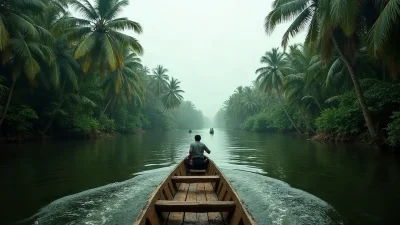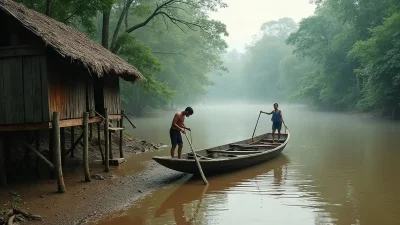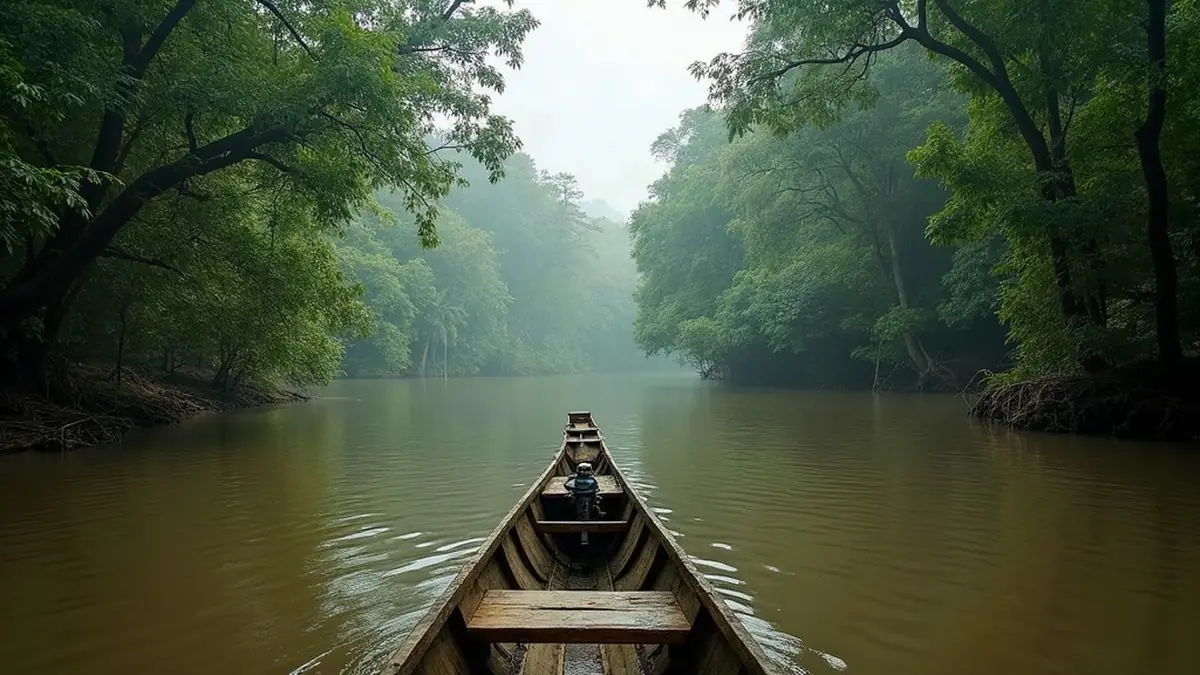
On Siberut, rivers are the main roads. Visitors travel upriver from Muara Siberut by motorised dugout canoe, called a pompong, and on foot to reach villages and uma longhouses. A river journey is the backbone of almost every Mentawai culture trip and a window into how families live with the forest and the water.
River journeys on Siberut offer a genuine look at the heart of Mentawai culture. Trips run with local families offer a genuine glimpse into daily life in the rainforest. This is not a luxury escape but a respectful and immersive exploration of a vibrant, living culture that values tradition and harmony with nature. The best journeys respect the land, support host families and help keep Mentawai heritage alive.
How does river travel work on Siberut?
Mentawai river travel is not just a mode of transportation; it’s a cultural experience deeply interwoven with the lives of the Mentawai people. Rivers are the arteries of the island, connecting villages and families, and facilitating the flow of goods and traditions. Visitors travel these waterways in traditional dugout canoes or small wooden motorboats, known locally as pompong. The rivers provide access to the island’s interior, where the forest is dense and alive with the sounds of endemic wildlife like the elusive bilou gibbons.
Good river trips emphasise cultural respect and ecological sensitivity, and boatmen travel with care so that visitors do not disturb the river and forest. On the river, local guides often share stories and insights into the traditional beliefs and practices of the Mentawai people, such as Arat Sabulungan, the animist belief system that sees all elements of nature as interconnected. This is a living culture, and river travel is a bridge that connects visitors to the heart of Mentawai life.
Why is the uma central to Mentawai society?
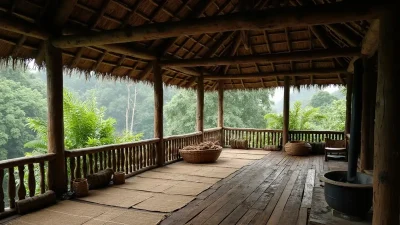
The uma is central to Mentawai culture, serving as both a home and a spiritual center for Mentawai clans. These large wooden structures, raised on stilts by the river, are where families gather for rituals, celebrations, and daily life. Each uma is surrounded by smaller family houses, pig pens, and sago-processing areas, reflecting the self-sufficient lifestyle of these communities.
Visitors staying near an uma will experience the warmth of Mentawai hospitality. Host families welcome guests to share in their daily routines, from preparing sago—the staple of the local diet—to participating in communal activities. You may have the opportunity to witness traditional practices such as titi, the ancient Mentawai tattooing tradition that symbolizes clan identity and spiritual beliefs. Respect for these practices is paramount, and visitors should always ask permission before photographing people or rituals. Done well, these visits build genuine connections and bring income to host families.
What wildlife lives in Siberut National Park?
Siberut National Park is a sanctuary for some of the world’s most endangered and unique wildlife. Covering approximately 1,905 square kilometers, the park protects diverse ecosystems, including lowland rainforest, mangroves, and peat-swamp forests. This biodiversity hotspot is home to four endemic primates: the bilou gibbon, Mentawai macaque, pig-tailed langur, and Mentawai langur. While sightings are never guaranteed, the chance to hear the haunting calls of bilou gibbons at dawn is a highlight for many visitors.
Conservation is a community effort. Responsible guides follow park rules so that visits support the preservation of these ecosystems. Treks within the park require permits, which local guides usually arrange in advance. Responsible trips leave no trace, keep a respectful distance from wildlife and follow the rules of the park authority, which sits under the Indonesian Ministry of Environment and Forestry.
How should you prepare for a canoe journey?
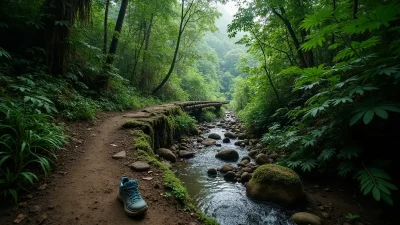
Traveling in Mentawai is an adventure that requires preparation. The climate is hot and humid year-round, with rainfall possible at any time. Pack light, quick-dry clothing, sturdy trekking shoes or sandals, a rain jacket or poncho, and a strong insect repellent. A headlamp, personal medications, and a small first-aid kit are also essential.
Health precautions are important, as the area is a malaria and dengue risk. Consult a travel clinic for advice on malaria prophylaxis and vaccinations. Bring a reusable bottle; most guides provide boiled or filtered water during the trip. While the conditions are basic, with river bathing and simple toilets, the experience offers a unique insight into a way of life that balances tradition with modernity. For more details on what to bring, see our visit preparation guide.
What is daily life like in a river village?
River trips offer an intimate look at the Mentawai way of life, where tradition and modernity coexist. Families on Siberut Island cultivate sago, hunt with bows and arrows, and engage in communal rituals led by the sikerei, traditional healers and ritual leaders. While some community members practice Christianity or Islam, many still respect elements of Arat Sabulungan, maintaining a spiritual connection to the land.
During your stay, you’ll have the chance to learn about these practices firsthand. A good local guide makes cultural exchanges respectful and enriching for both visitors and hosts. The income from tourism supports local families and helps preserve Mentawai cultural heritage. Responsible tourism can benefit everyone, fostering a deeper understanding of the Mentawai way of life.
How do you reach the rivers of south Siberut?
Accessing Siberut requires planning, as the island is reachable only by sea. Boats depart from Padang’s Muara port, with a modern fast ferry taking 3.5-4.5 hours and slower cargo-passenger boats taking 8-12 hours. Weather can affect schedules, so reconfirming departures is essential. Once on the island, travel continues by small motorized canoe and on foot.
Treks typically last 3-7 days, with accommodations in or near an uma. Groups are usually small, allowing for personalized experiences. Meals are simple and local, and guests sleep on raised platforms with mosquito nets. The trails are challenging, requiring basic to moderate fitness. Fair trip prices should leave a substantial share with local families and guides; ask for a breakdown. For more on logistics, visit our detailed travel guide.
How do you arrange a river trip with a local guide?
Planning a journey through the rivers and forests of Siberut? We are an independent planning guide, not a tour operator, and can help you compare options and connect with established local guides; you book directly with the guide you choose. Visit our contact page to get started, or read the Mentawai tribe tour guide first.