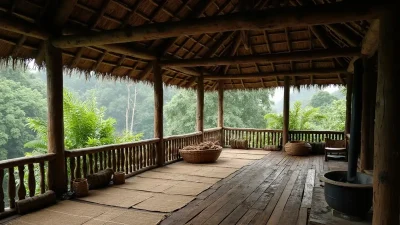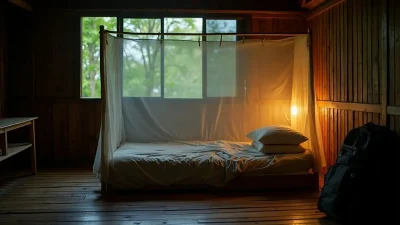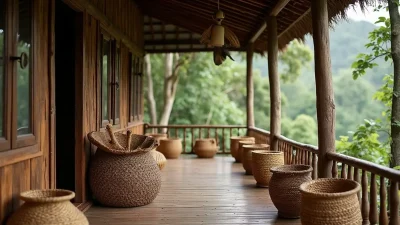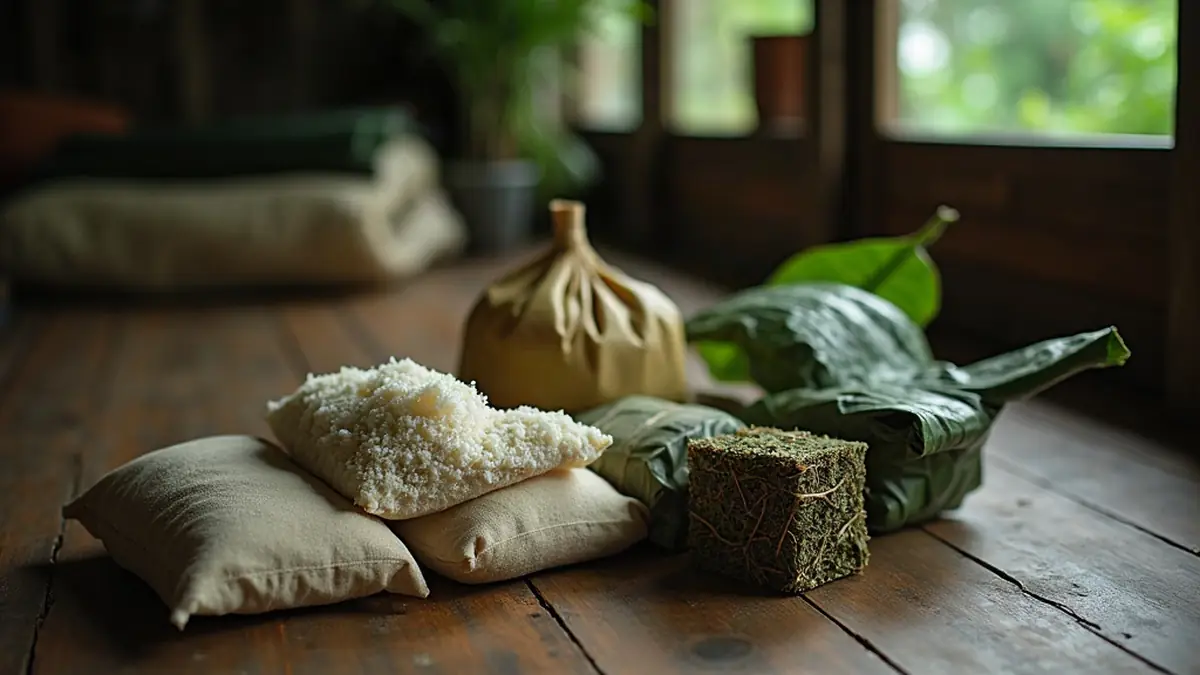
Responsible Mentawai cultural tourism means visiting Siberut’s clans as guests, not as an audience: small groups, prior consent from the host community, clear and fair payment to families and local guides, no requests for rituals, permission before photographs and as little waste as possible. Culture on Siberut is living practice, not a show.
Siberut has become a well-known name among travellers who want to meet an indigenous culture that still keeps many of its old ways. That attention brings income and pride, and also real risks: staged ceremonies, uneven benefits between families, intrusive photography and rubbish in places with no way to dispose of it. This page sets out what responsible cultural tourism looks like on the island, the impacts tourism has had so far, and a practical code you can follow. It complements our main guide to mentawai island tours.
Why responsibility matters more on Siberut
Three things make Siberut different from larger destinations. First, tourism is small, so each group has a visible effect on the few families who host. Second, much of what visitors come to see is spiritual: the sikerei healers, the titi tattoos and the rituals of Arat Sabulungan are not cultural shows but part of how people care for the sick, mark life stages and relate to the spirits. Third, the communities have a long history of outsiders deciding things for them, from the 1950s ban on traditional religion to logging concessions on clan land. Respect starts with leaving decisions in their hands.
A code of respect for visitors
Before you go
- Choose a guide from Siberut, or one who works through long-standing relationships with specific families.
- Ask how host families, boatmen and porters are paid, and get it in writing.
- Keep your group small. Two to six people is typical and kind to a household.
- Learn a few words of greeting and read about Mentawai beliefs before you arrive.
In the uma and the village
- Wait to be invited in, remove your shoes and sit where you are shown.
- Do not touch ritual objects, skulls or items hanging from the beams.
- Ask each person before photographing them. A guide’s agreement is not everyone’s consent.
- Never request a ceremony, a dance or a tattooing session. If one happens, follow instructions and stay at the edge.
- Dress modestly, keep voices low and follow the household’s rhythm for meals and sleep.
With money and gifts
- Pay the agreed amount; do not haggle families down.
- Give practical gifts through your guide, not sweets or cash to children.
- Ask before bringing tobacco. It is traditional in some households but is not obligatory and should not replace payment.
The impacts tourism has had
Tourism on Siberut has both helped and harmed. Being honest about both is part of travelling responsibly.
| Positive effects | Negative effects |
|---|---|
| Cash income for families who otherwise have few options in the forest | Unequal benefits between households, which can cause tension |
| Renewed pride and interest among young people in tattoos, dance and crafts | Pressure to perform rituals or wear ceremonial dress for cameras |
| A reason to keep forest standing rather than sell timber rights | Plastic and battery waste in places with no collection |
| Work for local guides, boatmen and porters | Money captured by outside operators rather than hosts |
Researchers and community members have suggested safeguards such as sikerei-led decision making on rituals, protection of sacred spaces, rotation of hosting between households and transparent community funds. As a visitor you can support these by asking questions and choosing guides who already work this way.
Respecting the sikerei
The sikerei are healers and ritual specialists with real authority in their communities. Their knowledge takes years to learn and is passed on under strict rules. Visitors sometimes treat them as the main attraction, asking for photos in full dress or for a healing ritual to be shown. Doing so can cheapen practices that are already under pressure. Treat a sikerei as you would a respected elder: greet them, accept what they choose to share and leave it there. Our guide to a sikerei shaman visit explains what to expect.
Low-impact travel in the forest
Forest uma have no rubbish collection, no recycling and very limited power. A few habits make a large difference:
- Carry a reusable bottle and a water filter instead of buying plastic bottles.
- Take all packaging, batteries and broken gear back to Padang.
- Use biodegradable soap and wash away from drinking water.
- Do not buy wildlife products, primate skulls or feathers.
- Keep wildlife watching quiet; never ask guides to call or chase animals.
Choosing a responsible guide
The single biggest decision you make is your guide. Useful questions include: Which families will we stay with, and how long have you known them? How is each family paid? Are you from Siberut, or who on the island do you work with? What do you tell guests about photography and ceremonies? Clear, specific answers point to a guide who respects the communities; vague promises of “authentic rituals” point the other way.
Quick facts
- Group size: small, typically two to six guests
- Consent: host community agrees in advance; each person agrees to photographs
- Payment: agreed, fair and named for each host family and local worker
- Rituals: never requested or staged
- Waste: carry out all plastic and batteries
- Guides: prefer guides from Siberut with long-standing family relationships
Frequently asked questions
Is it ethical to visit the Mentawai people?
It can be, when visits are small, agreed by the host community, fairly paid and free of pressure for rituals or photographs. Many families welcome visitors on those terms and value the income and interest.
Should I bring gifts?
Ask your guide. Practical goods for the household, such as rice, sugar or coffee bought locally, are usually welcome. Gifts should never replace the agreed payment, and sweets or cash for children are best avoided.
Can I join a ceremony?
Ceremonies happen when a family needs them, not for visitors. If one takes place while you are present, you may be invited to watch; follow the sikerei’s and your guide’s instructions.
How can I make sure my money reaches local people?
Ask for a written breakdown that names host family payments, guides, boatmen and porters. Booking with a guide from Siberut also keeps more of the money on the island.
Is tourism harming Mentawai culture?
Poorly managed tourism can encourage staged performances and unequal benefits. Small-scale, respectful tourism can support families and pride in traditions. The difference lies largely in how visitors and guides behave.
Travel with respect
For a wider view of what to see and do, read the best cultural experiences in the Mentawai Islands. We are an independent planning guide, not a tour operator. Tell us how you want to travel and we will help you connect with established local guides on Siberut who share these standards. Message us on WhatsApp or email bd@juaraholding.com.