What are the best cultural experiences in the Mentawai Islands? The strongest are a multi-night homestay in a Siberut uma, time with a sikerei healer, learning about titi tattooing, helping make sago, travelling by dugout or motor canoe on the Rereiket river and, if one happens, seeing a ceremony with turuk dance. All work best slowly, with a local guide.
Travelers ask what are the best cultural experiences in the Mentawai Islands because the options are not obvious from a map. There are no museums in the interior, no cultural shows on a schedule and few signs. What the islands offer instead is time with Mentawai families who still live around the uma, the clan longhouse, mainly in Siberut’s interior. Below are the experiences that visitors and guides consistently rate as the most meaningful, with honest notes on what to expect and how to approach each one.
What are the best cultural experiences in the Mentawai Islands? An overview
| Experience | Where | Time needed | Guaranteed? |
|---|---|---|---|
| Uma homestay | Siberut interior | 2 to 5 nights | Yes, when arranged |
| Time with a sikerei | Uma where a sikerei lives | Several days | Meeting yes, ceremony no |
| Sago making | Sago groves near uma | Half a day | Usually, depends on family work |
| River travel by canoe | Rereiket river system | Built into most trips | Yes |
| Titi tattoo culture | Uma and revival practitioners | Varies | Learning yes, tattoo session no |
| Bow, arrow and craft making | Uma veranda | A few hours | Often |
| Ceremony and turuk dance | Uma during punen | Unpredictable | No |
1. A multi-night uma homestay
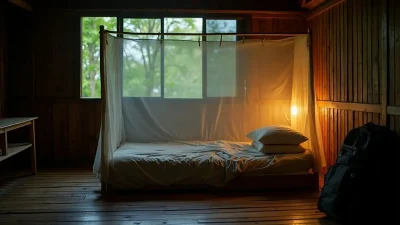
This is the foundation of every other experience. You sleep in the longhouse, eat with the family and follow their day. The first night can feel strange; by the third, children are teaching you words and you understand who is related to whom. Staying several nights at one uma rather than moving daily makes the experience far richer. Our page on the Mentawai tribe experience in a Siberut uma describes daily life in detail.
2. Time with a sikerei
Sikerei are the healers and ritual specialists of Arat Sabulungan, the Mentawai belief system. Spending time with one, walking to collect medicinal plants or listening to explanations of rules and spirits, is for many people the heart of the trip. If someone is ill, a healing ceremony may take place, and with permission you may observe quietly. Ethical operators never promise one.
3. Making sago
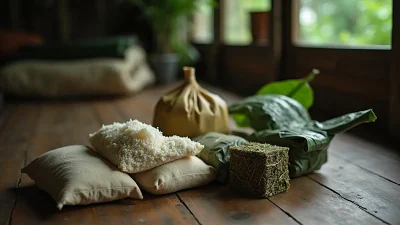
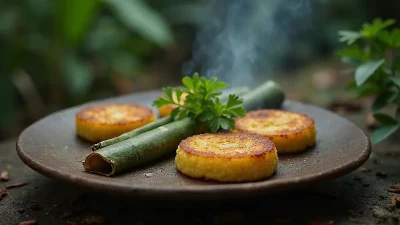
Sago, the starch from the sago palm, is the staple food. Joining a family to split a trunk, scrape the pith and wash out the starch shows how much work feeds an uma. It is muddy, physical and often accompanied by a lot of laughter at the visitor’s technique. We explain each step in how sago is made in Mentawai.
4. Travelling by river
Rivers are the roads of Siberut. Trips into the interior go upriver by pompong, a long motorised canoe, and families still use dugouts for fishing and short journeys. The ride itself, past sago swamps, riverside gardens and small landings, is a cultural experience in its own right. Our article on dugout canoes and pompong in Siberut covers river life.
5. Learning about titi tattoos
Titi, Mentawai tattooing, is among the oldest surviving tattoo traditions in the region, made with a needle tapped by a small stick and soot-based pigment. Older people and sikerei often carry extensive designs, and some younger people are reviving the practice. Learning what the patterns mean, and how the tradition was suppressed and is now returning, is fascinating. Some visitors ask about receiving a tattoo; that is a serious decision with cultural weight and should only be discussed through a guide with an established practitioner. Our Mentawai traditional tattoo tour page explains the options and ethics.
6. Watching crafts and hunting tools being made
On the uma veranda, men may be making bows and arrows, preparing arrow poison or carving, while women weave baskets or prepare food. You learn by watching and, if invited, trying. These quiet hours are often when the best conversations happen.
7. A ceremony with turuk dance
Ceremonies, broadly called punen, mark healing, house building, life events and the restoring of balance. They can include pig feasts, chanting and turuk, a dance in which sikerei imitate birds and animals. Seeing one is unforgettable, but it depends entirely on the community’s needs. Treat it as a gift if it happens, not an item on an itinerary.
Experiences to approach with caution
Not everything sold as a Mentawai cultural experience is a good one. Be wary of half-day “tribe visits” that move through several uma for photographs, of itineraries that promise a shaman ritual on a fixed date, and of offers to buy ceremonial objects or heirlooms. Hunting trips staged for visitors also deserve thought, since some primates on Siberut are endangered and protected. None of these give you a better understanding of Mentawai life, and they can put pressure on families to perform. A slower trip, built around one or two host families, avoids all of them and is almost always the more memorable choice.
How to get the most from these experiences
- Stay longer at fewer places. Depth beats variety in Mentawai.
- Go with a local guide who knows the families personally.
- Ask before every photograph and accept a refusal.
- Bring supplies to share, arranged through your guide.
- Learn a few words of Indonesian and a Mentawai greeting.
- Read about Arat Sabulungan and the uma before you go.
When to go and how long to stay
Cultural experiences are available all year, although rain is heaviest around October and November and relatively drier conditions usually come from about May to August. Five to seven days in total, including the Padang ferry and river travel, gives enough time for most of the experiences above. Three or four days covers a homestay and a taste of daily life.
Quick facts
- Best base: uma in Siberut’s interior around Madobag, Ugai and Matotonan
- Essential: a local guide with family relationships
- Recommended length: 5 to 7 days
- Never guaranteed: ceremonies and tattoo sessions
- Usually possible: homestay, sago making, river travel, crafts
- Gateway: Padang, then ferry to Muara Siberut
Frequently asked questions
What is the single best Mentawai cultural experience?
Most visitors say a stay of several nights in one uma. It makes every other experience possible and gives the family time to get to know you.
Can I see Mentawai culture on the southern islands?
The heritage is shared, but traditional uma life is far more visible on Siberut. The southern islands are better known for surf and village life shaped by church and mosque.
Can I get a Mentawai tattoo?
It is sometimes possible through an established practitioner, but it carries cultural meaning and should be approached carefully through a guide, never as a souvenir purchase.
Are cultural experiences staged for tourists?
Some operators do stage them. Respectful ones do not. Avoid itineraries that guarantee ceremonies or offer brief stops at several uma in a day.
Do I need to speak Indonesian?
No, your guide translates. A few words of Indonesian or Mentawai are appreciated and help break the ice.
Plan your cultural trip
We are an independent guide to Mentawai island tours and help travelers plan unhurried, respectful cultural stays on Siberut with local guides. Reach us on WhatsApp at +62 811 3941 4563 or email bd@juaraholding.com.