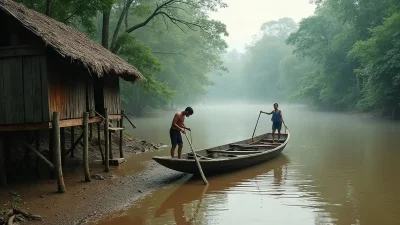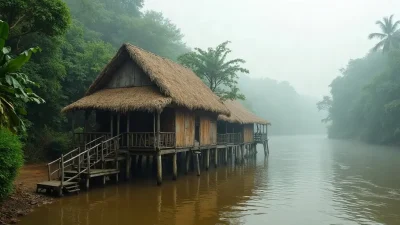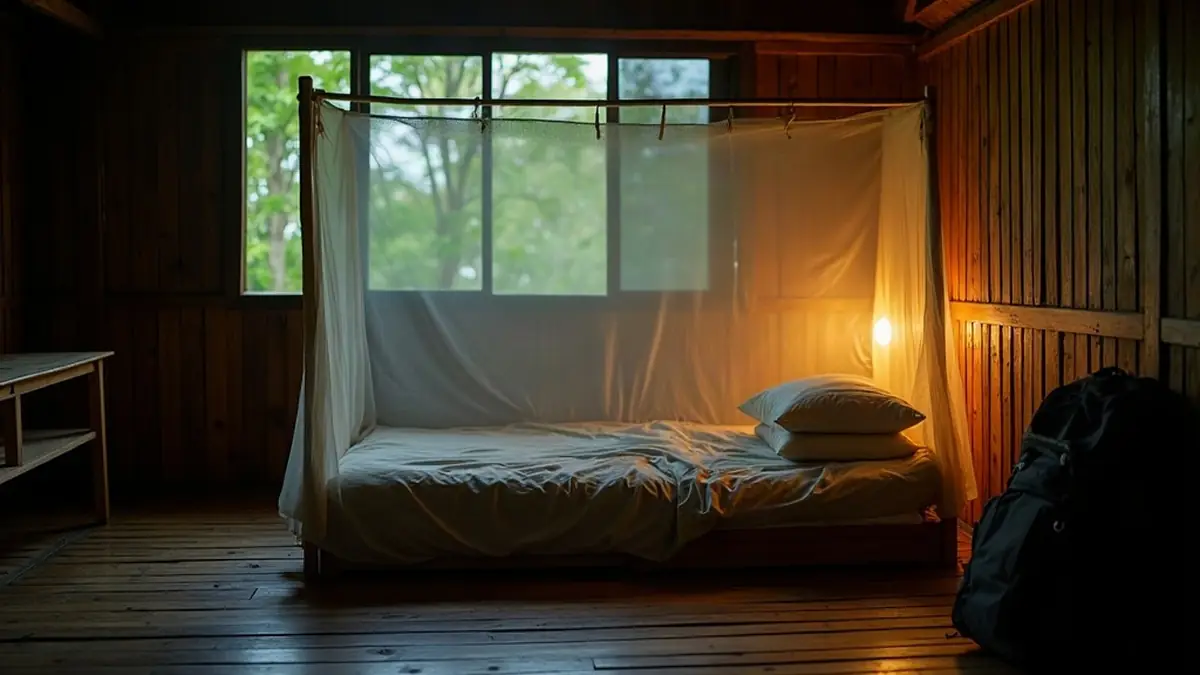
A Mentawai uma homestay means sleeping in a clan longhouse on Siberut, usually on a mat under a mosquito net, eating the family’s meals and washing in the river. Rough independent estimates put the stay itself at about USD 20–40 per night with simple food, but most visitors book it within a guided trip that includes boats, guide and permits.
Staying in an uma is the heart of most trips to Siberut. It is also very different from any homestay you may have experienced elsewhere in Indonesia: no guest room, no menu, no bathroom, and a household of several families who carry on with their lives around you. This page explains what a Mentawai uma homestay is actually like, what it costs, which areas host visitors, and how to be a guest that a family is glad to see again. For the wider picture of trips on the island, see our guide to mentawai island tours.
What an uma is, and who you stay with
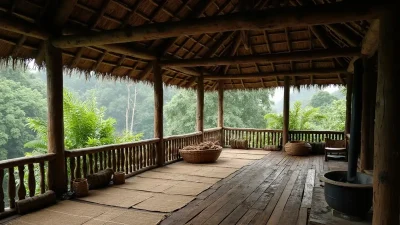
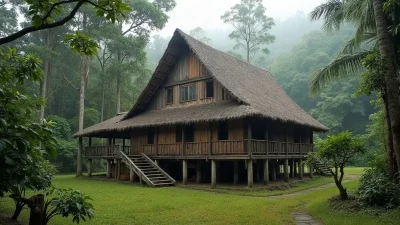
The uma is the communal longhouse of a Mentawai clan, built of wood on stilts with a long verandah, an inner hall and a hearth. Traditionally it was both home and ritual centre. Today many clan members live in nearby villages and use the uma for ceremonies and longer stays in the forest, while some families still live there most of the time. When you stay in an uma, your hosts are the family or families present, and the arrangement is made through a guide they know.
Some hosts have built a simpler guest house or an extra room next to the uma. Others put guests in the main hall. Ask which you will get; both are genuine, but they feel different.
What a night in the uma is like
| Aspect | What to expect | Tip |
|---|---|---|
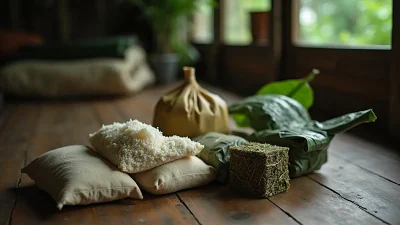
| Sleeping | Woven mat or thin mattress on the wooden floor, mosquito net, little privacy | Bring a light sleeping sheet and earplugs; dogs, pigs and roosters start early |
| Food | Sago, taro, bananas, rice, river fish, greens; sometimes noodles | Tell your guide about diet needs before the trip, not on arrival |
| Washing | River or bucket wash; a basic outhouse or none | Pack a sarong for bathing and biodegradable soap |
| Power and signal | Usually none in forest uma; limited in villages | Bring a power bank and download maps and books beforehand |
| Water | Boiled water from the family or carried supplies | Bring a filter or purification tablets as a backup |
Evenings centre on the hearth. People talk, smoke, mend tools and children play. If there is a sikerei in the household, you may see preparations for ritual work, but nothing is staged for guests. Many visitors say the quiet hours are what they remember most.
What an uma homestay costs
Prices depend on how you book and what is bundled. Independent estimates put the stay itself at roughly USD 20–40 per person per night with basic food, and some sources quote USD 30–50 including meals. Most visitors, however, do not pay the family directly. They book a guided trip, and the guide pays the host family as part of the package along with boats, permits and supplies.
- Uma stay inside a guided trip: the most common route; the payment to the family should be named in your inclusions.
- Longer stays with one family: often better value per night and better for the household than moving every day.
- Gifts: practical goods such as rice, sugar, coffee or cooking oil, bought in Muara Siberut, are welcome but should never replace payment.
For the full costs of a trip, see our comparison of Mentawai trekking tours, which breaks quotes down line by line.
Where uma homestays are found
Most homestays are in south Siberut, along the Rereiket (Sarereiket) river system above Muara Siberut. Villages such as Madobag, Ugai, Butui and Matotonan, and the uma in the forest around them, are the areas most often visited. Butui in particular is known for uma stays. Availability changes with family circumstances, ceremonies and mourning periods, so even a regular host may not be able to receive guests on your dates. North and west Siberut also have uma, but they are harder to reach and less often hosted.
Etiquette in the uma
- Wait to be invited in, and remove your shoes before entering.
- Do not touch ritual objects hanging in the uma, and ask before photographing inside.
- Sit where you are shown; the hearth area has its own customs.
- Eat what you are offered if you can, and say so politely if you cannot.
- Dress modestly, speak quietly and follow the family’s routine for meals and sleep.
- Never ask for a ceremony to be performed; if one happens, you are a guest at it.
How to choose a good homestay arrangement
The best uma stays come from long relationships between a guide and a family. Ask your guide how long they have known the household, how often it hosts visitors and how the family is paid. A guide who names the family and explains the payment clearly is usually a good sign. Fewer nights spread across many uma often means less benefit to each family and a more rushed trip for you.
Quick facts
- Where: mainly south Siberut, along the Rereiket river above Muara Siberut
- Sleeping: mat or thin mattress, mosquito net, shared space
- Food: sago, taro, bananas, rice, fish and greens
- Washing: river or bucket; basic or no toilet
- Indicative cost: about USD 20–40 per night for the stay itself, usually bundled in a guided trip
- Booking: through a local guide who knows the family
Frequently asked questions
Can I book a Mentawai uma homestay directly?
Very few uma families can be contacted directly, and most have no phone signal in the forest. Booking through a local guide who knows the family is the normal and most respectful way.
How many nights should I stay in an uma?
Two nights is a sensible minimum, so you see a full day of the household’s routine. Three or more nights with the same family gives a much deeper experience.
Is an uma homestay suitable for children?
Older children who are happy with insects, simple food and no electricity often enjoy it. Plan a short river-based route and discuss sleeping arrangements with your guide.
Is the food safe?
Food is freshly cooked over the fire and generally safe. The main risk is water, so use boiled water or your own filter and keep hand sanitiser with you.
Is an uma homestay the same as a village homestay?
No. Village homestays are in family houses in government-built villages, with more facilities. An uma stay is in the clan longhouse, usually in or near the forest, and is simpler and more traditional.
Plan your uma homestay
To understand daily life in more depth, read our Mentawai tribe experience guide. We are an independent planning guide, not a tour operator. Tell us your dates and how many nights you would like in an uma, and we will help you connect with an established local guide on Siberut. Message us on WhatsApp or email bd@juaraholding.com.