The history of the Mentawai people spans roughly two to three thousand years of clan life on islands off West Sumatra, organised around the uma longhouse and Arat Sabulungan belief. The twentieth century brought missionaries, a 1954 ban on the old religion, resettlement and logging, followed by conservation, a separate regency in 1999 and the 2010 tsunami.
The history of the Mentawai people helps explain almost everything a visitor sees on Siberut today: why some families live in planned roadside villages while others keep a longhouse in the forest, why tattoos and teeth sharpening became rare, and why culture and land rights are such sensitive subjects. This is a short, careful overview. Dates and details differ between sources, and much of Mentawai history was passed down orally rather than written, so we flag uncertainty where it exists.
Early history of the Mentawai people
Mentawai ancestors are thought to have settled the islands roughly two to three thousand years ago, as part of the wider movement of Austronesian-speaking peoples through island Southeast Asia. The exact route and timing are still debated. The Mentawai language belongs to the Austronesian family and is grouped with languages of other islands off northwest Sumatra.
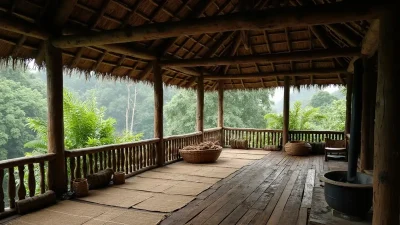
Isolated by a deep strait from Sumatra, Mentawai society developed without the Hindu-Buddhist kingdoms, Islamic sultanates or rice farming that shaped much of the mainland. People lived in clan groups centred on the uma, a large communal longhouse that was home, ceremonial centre and political unit at once. Food came from sago palms, taro gardens, fishing, raising pigs and chickens, and hunting. Spiritual life followed Arat Sabulungan, a belief system in which people, ancestors, animals, plants and places all have souls that must be kept in balance. Ritual specialists, the sikerei, healed the sick and led ceremonies. Our article on Arat Sabulungan, the way of the leaves explains the belief system in more depth.
Outside contact and missions
European navigators and traders recorded the Mentawai Islands from the colonial era onwards, but sustained outside influence came late. The islands formed part of the Dutch East Indies, yet day-to-day life in the interior changed little for a long time.
Missionary work began in earnest in the early twentieth century. August Lett, a missionary with the German Rhenish Mission, worked in the islands from 1901 until his death in 1909. Protestant and later Catholic missions established schools, clinics and churches over the following decades. Their influence varied from place to place, and many families combined new religious practice with older customs.
The 1954 ban and resettlement
After Indonesian independence, state policy turned firmly against Arat Sabulungan. In 1954, the government prohibited or restricted its practice and pressed Mentawai people to adopt one of the officially recognised religions. Accounts describe ritual objects being destroyed, and practices such as tattooing, teeth sharpening and long hair for men being discouraged. Implementation was uneven, and much continued quietly, especially deep in the forest.
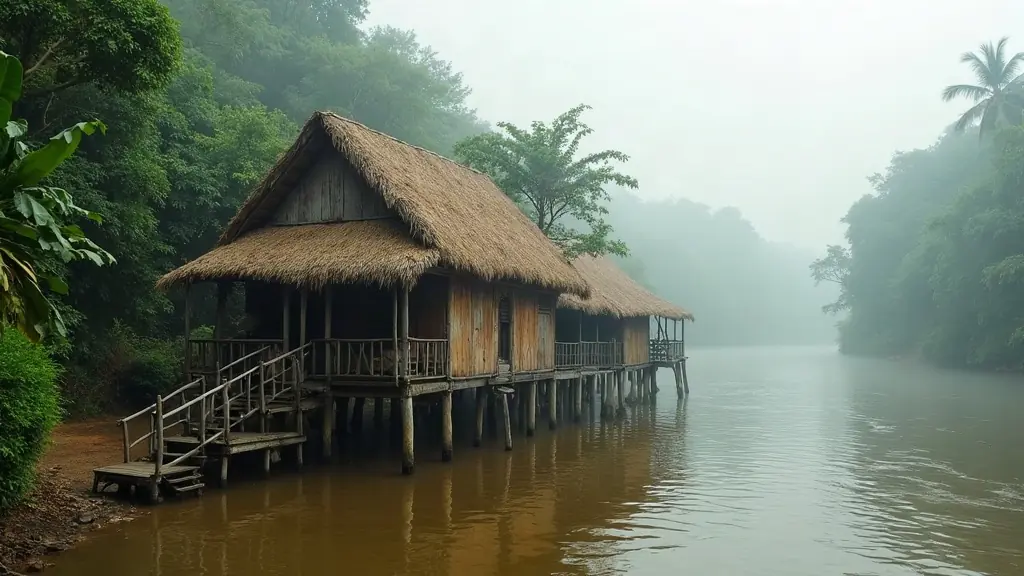
From the 1970s, resettlement programmes moved many families from scattered forest settlements into planned villages along rivers and roads, with schools, churches and government offices. The aim was administration and services; the effect was to separate many families from their uma and land. This is why many people today keep a house in a government village and also maintain an uma or garden land farther inland.
Logging, conservation and land
From the 1970s to the 1990s, logging concessions spread across Siberut and caused forest loss and conflict over customary land. International and Indonesian conservation efforts grew at the same time.
- 1981: Siberut was designated a UNESCO Biosphere Reserve. The designation covers the whole island.
- 1993: Siberut National Park was established, covering about 190,500 hectares, mainly in the west of the island.
Conservation and customary rights have not always fitted neatly together. Debates continue over how park zones, plantations and development projects affect Mentawai land. The Siberut National Park tour page explains how the park works for visitors today, and UNESCO’s page on the Siberut Biosphere Reserve gives the official background.
A separate regency and the 2010 tsunami
In 1999, the islands became their own regency, Kepulauan Mentawai, separated from Padang Pariaman on the mainland. The capital is Tuapejat on Sipora. Regional autonomy gave Mentawai people a stronger political voice, and the twenty-first century has seen growing pride in Mentawai identity, including a revival of interest in tattooing.
On 25 October 2010, a powerful earthquake off the islands generated a tsunami that struck the outer coasts, especially the Pagai islands and parts of Sipora. Reported deaths vary by source and counting date: UNESCO records at least 450, and the NOAA hazards database records 509. Many coastal communities were relocated afterwards.
| Period | Event | Effect on Mentawai life |
|---|---|---|
| c. 2,000 to 3,000 years ago | Ancestors settle the islands | Uma clans, sago economy, Arat Sabulungan |
| 1901 to 1909 | August Lett, Rhenish Mission | Start of sustained missionary work |
| 1954 | State ban on Arat Sabulungan | Suppression of rituals and body arts |
| 1970s | Resettlement programmes | Many families move to planned villages |
| 1970s to 1990s | Logging concessions | Forest loss, land conflict |
| 1981 | UNESCO Biosphere Reserve | International conservation status |
| 1993 | Siberut National Park | Protected zones in the west |
| 1999 | Kepulauan Mentawai regency created | Local political autonomy |
| 2010 | Earthquake and tsunami | Hundreds of deaths, coastal relocation |
What this history means for visitors
When you stay in an uma today, you are meeting a culture that has survived real pressure, not one frozen in time. Your hosts may be Catholic, Protestant or Muslim and still keep many traditional practices. A sikerei might use a phone. Children go to school in the village and return to the uma for ceremonies. Asking about the past, gently and through your guide, is often welcome, and older people may tell you what life was like before resettlement. The Mentawai tribe tour page explains how to choose a trip that respects this.
Who are the Mentawai people today?
The Mentawai are the indigenous people of the Mentawai Islands off West Sumatra: Siberut, Sipora, North Pagai and South Pagai, plus many small islets. The regency had a population of roughly 88,000 at the 2020 census, a figure that includes migrants from mainland Sumatra and elsewhere, so the number of ethnic Mentawai is lower. Their language is distinct from Minangkabau and other Sumatran languages and has several dialects.
Social life is still organised around the clan and its uma, the large communal longhouse, even where families now live in villages. Most Mentawai people today are Christian, with a Muslim minority, and many also keep elements of Arat Sabulungan, the older belief system that sees spirits in people, animals, plants and objects. In interior Siberut, sikerei healers, titi tattoos, sago gardens and bow hunting remain part of daily life for some families; on Sipora and the Pagai islands, life is generally more connected to towns, roads and markets.
It is worth saying plainly: the Mentawai are not a people frozen in the past. The same family may own a smartphone and keep a sikerei’s ritual objects in the uma. Visitors who arrive expecting a museum often miss what is actually interesting, which is how people combine the two.
Quick facts
- Settlement: roughly 2,000 to 3,000 years ago (debated)
- Traditional belief: Arat Sabulungan, led by sikerei
- Early mission: August Lett, Rhenish Mission, 1901 to 1909
- Ban on traditional religion: 1954
- Resettlement: mainly from the 1970s
- Biosphere reserve: 1981; national park 1993
- Regency created: 1999, capital Tuapejat
- Tsunami: 25 October 2010
Frequently asked questions
Where did the Mentawai people come from?
They descend from Austronesian-speaking settlers who reached the islands roughly two to three thousand years ago. The precise route and timing are still debated.
Why did the Indonesian government ban Arat Sabulungan?
From 1954, state policy required citizens to follow officially recognised religions and pressed for assimilation. Traditional practices were seen as backward by officials at the time.
Do Mentawai people still follow traditional beliefs?
Many combine Christianity or Islam with traditional customs. Arat Sabulungan practice remains strongest in parts of the South Siberut interior.
When did Mentawai become a separate regency?
In 1999, when Kepulauan Mentawai was separated from Padang Pariaman regency. Its capital is Tuapejat on Sipora.
How badly did the 2010 tsunami affect the islands?
It struck the outer coasts hardest, especially the Pagai islands. Reported deaths range from at least 450 to 509 depending on the source.
Visit with context
We are an independent planning guide to Mentawai tourism, helping travelers connect with local Siberut guides who can share the history behind what you see. Message us on WhatsApp at +62 811 3941 4563 or email bd@juaraholding.com to start planning.