Mentawai Islands local culture centres on the uma, a clan longhouse shared by related families, and on Arat Sabulungan, a belief system that sees spirits in people, forest, rivers and animals. Sikerei healers, titi tattoos, turuk dance, pig feasts and sago growing all belong to it. It is strongest today in the interior of Siberut.
Mentawai Islands local culture is often reduced to a single image: a heavily tattooed man with a bow in the forest. That picture is real but incomplete. The Mentawai are an Indigenous Austronesian-speaking people living across Siberut, Sipora and North and South Pagai, off the west coast of Sumatra, and their customs differ between islands, river valleys and even neighbouring clans. This guide explains the main elements of local culture, how the twentieth century changed them and how visitors can encounter them respectfully.
Where Mentawai Islands local culture is strongest
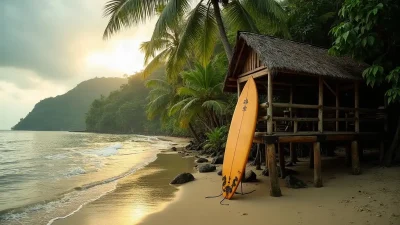
The four main islands share a language family and a common heritage, but traditional life has survived most visibly on Siberut, the largest island. In its interior, along rivers such as the Rereiket, some families still live in or around an uma, keep pigs, grow sago and taro, and hold ceremonies led by sikerei. In the southern islands, where surf tourism is concentrated, most communities are Christian or Muslim and fewer traditional longhouses remain in use. The regency capital, Tuapejat, is on Sipora.
The uma: family, house and community
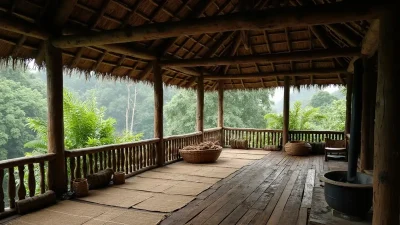
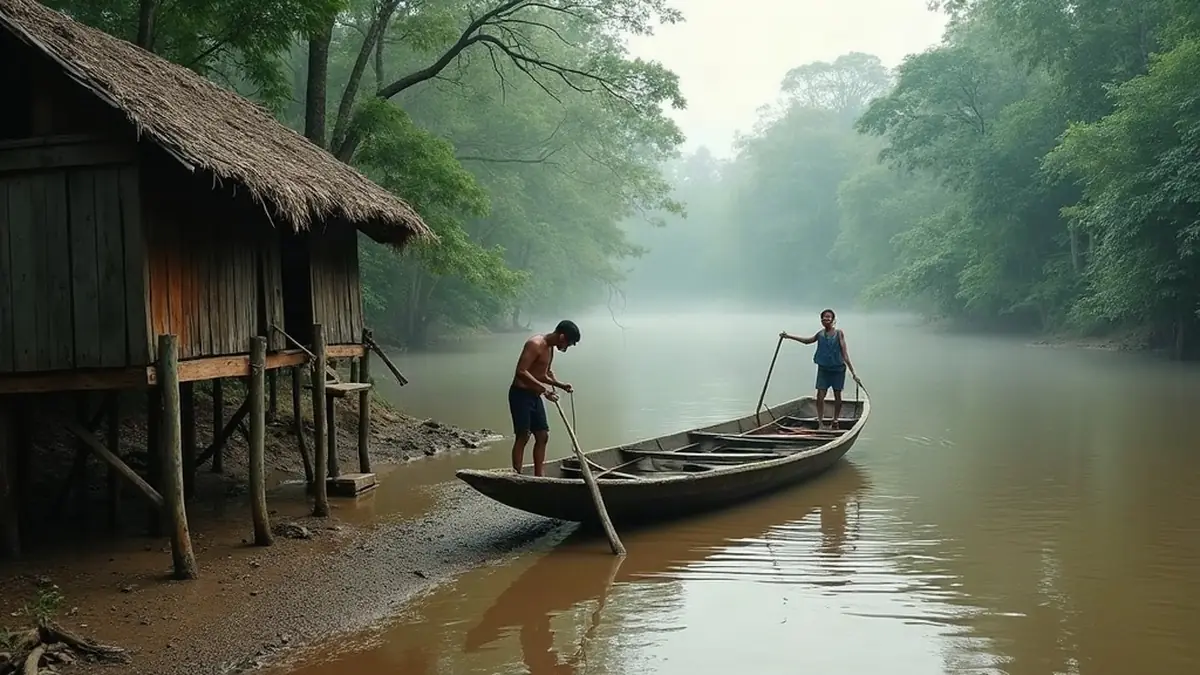
The uma is both a building and a social group. Physically it is a long wooden house raised on stilts, with a front veranda for guests and work, a central space for ceremonies and a rear area for cooking and sleeping. Socially, it is the clan: several related families who share land, pigs, obligations and rituals. Smaller family houses, called lalep, and field huts complement the uma. An elder often called the rimata carries authority within the group, though the exact role is described differently by different sources. We cover the architecture and roles in more detail in our article on the uma longhouse.
Arat Sabulungan: the belief system
Arat Sabulungan is usually described as animist. It holds that people, ancestors, animals, plants, rivers and land all have spirits, and that harmony between them must be kept. Illness, bad luck or conflict can mean that balance has been disturbed, and rituals are performed to restore it. Rules and prohibitions, called keikei, govern food, work and behaviour at particular times. Our article on Arat Sabulungan, the Mentawai way of the leaves explains the beliefs in depth.
Sikerei: healers and ritual specialists
Sikerei are ritual specialists who have trained to mediate with the spirit world. They use medicinal plants, chants and dance to heal and to lead ceremonies, and are often the most heavily tattooed members of a community. Becoming a sikerei involves a long apprenticeship and ongoing obligations, including food taboos.
Punen: ceremonies
Punen is a general term for ritual observances. Ceremonies mark healing, the building of an uma, life transitions, tattooing and the restoration of balance after misfortune. They often involve pig sacrifice, communal feasting and turuk, a dance in which sikerei imitate animals and birds to the beat of drums.
Body arts: titi tattoos and teeth sharpening
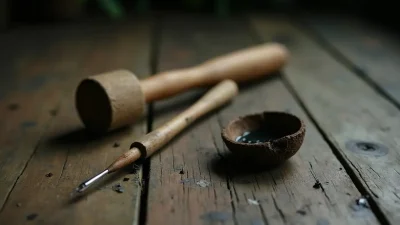
Titi, Mentawai tattooing, is among the oldest surviving tattoo traditions in the region. Designs are tapped into the skin with a needle and soot-based pigment, and they speak of identity, life stage and relationships with the forest and spirits. Traditionally a specialist called a sipatiti carried out the work. Teeth sharpening, especially associated with women in many accounts, has been linked to ideals of beauty. Both are less common than in the past, and both are seeing some revival.
| Element | What it is | Where you might see it |
|---|---|---|
| Uma | Clan longhouse and social group | Siberut interior, around Madobag, Ugai, Matotonan |
| Arat Sabulungan | Animist belief system | Practised alongside recognised religions |
| Sikerei | Healers and ritual specialists | Traditional uma on Siberut |
| Titi | Traditional tattooing | Older people and revival practitioners |
| Turuk | Ceremonial dance | During punen and healing rituals |
| Sago and taro | Staple foods | Every household, especially forest uma |
How history reshaped local culture
In 1954 the Indonesian government banned Arat Sabulungan and pressured Mentawai people to adopt a recognised religion: Protestantism, Catholicism or Islam. Rituals, tattooing and other traditional practices were discouraged and suppressed. In the 1970s many families were moved from scattered uma into government-built settlements, called barasi, which weakened clan-based life and access to customary forest. Today Christianity has a large following and Islam is practised too, while Arat Sabulungan has not disappeared. Many people combine an official religion with ancestral practice, and some communities are reviving ceremonies and tattooing.
Background on these changes, with sources, is summarised in the Wikipedia article on the Mentawai people.
Language and everyday life
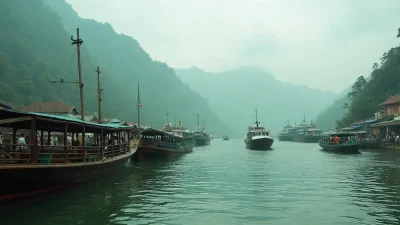
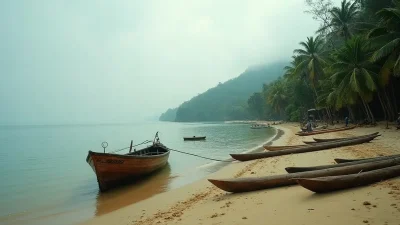
Mentawai is an Austronesian language with regional varieties, commonly grouped as North Siberut, South Siberut and Sipora-Pagai. Most people also speak Indonesian. Daily life follows a rhythm of gardening, gathering, fishing, sago work and caring for pigs. Rivers are the roads of the interior, and dugout canoes are still used alongside motorised boats.
Experiencing local culture respectfully
The most rewarding way to understand Mentawai culture is to spend unhurried time in an uma with a family that has chosen to host visitors. Our page on the Mentawai tribe experience in a Siberut uma shows what that looks like day to day. Before you go, read our Mentawai cultural etiquette guide. The key points are simple: ask before photographing, accept that ceremonies happen for the community’s reasons and not on request, and let your guide handle introductions and gifts.
Quick facts
- People: Indigenous Austronesian-speaking Mentawai
- Islands: Siberut, Sipora, North Pagai, South Pagai and smaller islets
- Population: around 90,000 in the regency at the 2020 census
- Belief: Arat Sabulungan, alongside Christianity and Islam
- Social unit: the uma clan and longhouse
- Key traditions: sikerei healing, titi tattoos, turuk dance, punen ceremonies
- Turning points: 1954 ban on Arat Sabulungan, 1970s resettlement
Frequently asked questions
Is Mentawai culture still alive?
Yes. It has changed a great deal, but uma life, sikerei healing, tattooing and ceremonies continue, most visibly in Siberut’s interior. Some practices are being actively revived.
What religion are the Mentawai people?
Most people identify as Christian, with a Muslim minority. Many also keep elements of Arat Sabulungan, the ancestral belief system, in daily life and ceremonies.
Is culture the same on every Mentawai island?
No. Traditional practices are strongest on Siberut. The southern islands share the heritage, but daily life there is more shaped by church, mosque, fishing and surf tourism.
Can visitors attend a ceremony?
Sometimes, if one happens to take place during your stay and the family invites you. Ceremonies should not be staged for tourists, and a respectful operator will not promise one.
What language should I learn?
A few words of Indonesian go a long way. Your guide will translate Mentawai. Learning a greeting from your host family is always appreciated.
Plan a cultural trip
We are an independent guide to Mentawai tourism and help travelers connect with local Siberut guides for respectful cultural stays. Ask us about routes, timing and etiquette on WhatsApp at +62 811 3941 4563 or email bd@juaraholding.com.