Mentawai crafts are made for daily use first: kabit bark-cloth loincloths, rattan carrying baskets called opa, bead necklaces and headbands, carved wood, and bows with plant-poison arrows. On Siberut you buy them informally from the families who make them, usually through your host or guide, not from shops. Ask before buying anything used in ritual.
You will not find a craft market on Siberut. What you find instead are things people make for their own lives, from the bark cloth a sikerei wears to the basket a woman carries sago in, and sometimes an extra one made to sell. Buying well is one of the simplest ways a visit can support families directly. This guide covers what is made, how, what is sensible to buy and what to leave. It is part of our planning guide to mentawai island tours on Siberut.
What do Mentawai people make by hand?
| Item | Material | Use | Sold to visitors? |
|---|---|---|---|
| Kabit (loincloth) | Beaten tree bark | Traditional men’s dress, worn daily by sikerei | Sometimes, made to order |
| Women’s skirts | Bark cloth or palm and banana leaf | Traditional dress, ritual wear | Rarely |
| Opa basket | Rattan | Carrying sago, food and tools on the back | Often, the most practical buy |
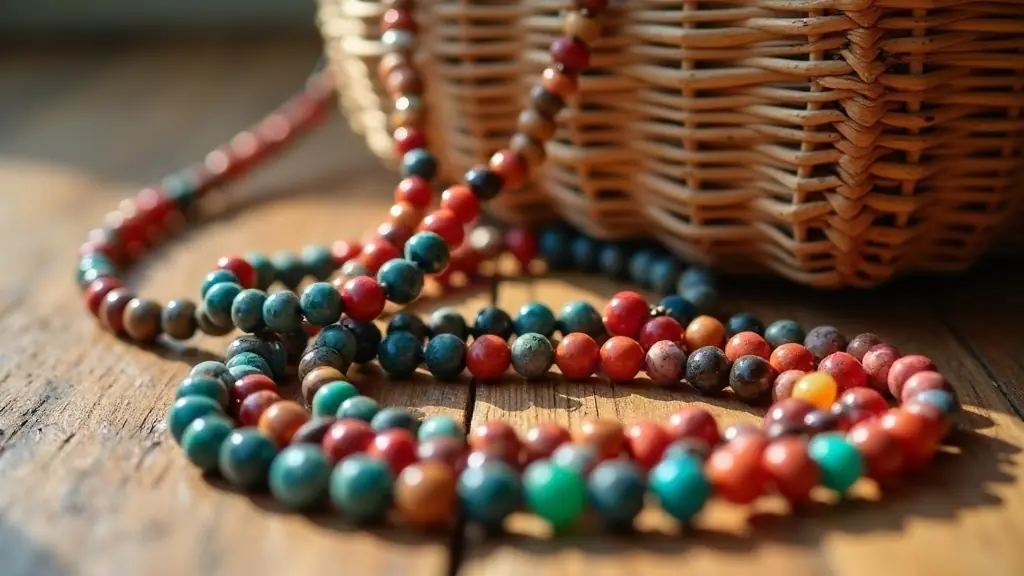
| Bead necklaces and headbands | Glass beads, plant fibre | Body ornament, worn by men and women | Often |
| Wood carvings | Local hardwoods | Decoration, household items | Sometimes |
| Bow and arrows | Palm wood, bamboo, plant poison | Hunting | Replicas only; see below |
Mentawai names for many of these items vary between clans and between written sources, so do not worry if your hosts use a different word from a guidebook.
How is kabit bark cloth made?
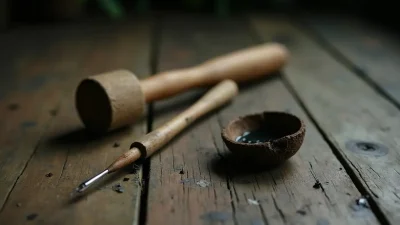
Kabit is made by stripping a long piece of inner bark from a suitable tree, soaking it and beating it with a wooden mallet until the fibres spread into a soft, flexible cloth. It is then dried and worn wrapped between the legs and around the waist. Sources disagree on which trees are used, naming breadfruit and other local species; it is likely that clans use different trees. If your host makes kabit during your stay, it is one of the best things you can watch.
What is an opa basket?
The opa is the standard Mentawai carrying basket, woven from split rattan and worn on the back with a strap. It carries sago, bananas, firewood and tools from garden to uma. Other shapes exist for storage and fishing. A well-made opa is light, strong and genuinely useful at home, which makes it a good buy that a family can make without using anything sacred.
Can you buy a Mentawai bow and arrows?
Bows and poison arrows are real hunting tools, and families may show you how they are made and used. A poisoned arrow should never be bought or carried; the plant poison is dangerous, and airline, customs and weapons rules in Indonesia and at home can restrict even unpoisoned bows. If you want one, ask your guide whether a family will make an unpoisoned replica, and check your airline’s rules before you pay. Our guide to Mentawai bow and arrow hunting explains the tradition.
Is buying Mentawai crafts sustainable?
It can be, when you follow a few rules:
- Buy from the maker, or through a host or guide who passes the money on in full.
- Agree the price first and do not bargain hard. The difference matters more to the family than to you.
- Buy what is made to sell, not heirlooms or objects used in ritual. If a family hesitates, let it go.
- Avoid wildlife parts: no primate skulls, bird feathers or anything from protected species. These are illegal to export and harm the animals that make Siberut special.
- Prefer useful items like baskets and bead work, which rely on rattan and beads rather than on cutting large trees.
Where can you find Mentawai crafts?
Most visitors buy in the uma or village where they stay, at the end of a visit, when the family offers items they have made. Muara Siberut, the main town and arrival point, has general shops but no dedicated craft market, though guides sometimes know families who make items to sell. Tuapeijat on Sipora, the regency capital, has more shops and sometimes cultural displays, especially around Festival Pesona Mentawai. See our Muara Siberut guide and guide to Mentawai festivals.
Do titi tattoos count as a craft?
Titi, the Mentawai tattoo tradition, is a skilled art, but it is not a souvenir. Traditional tattoos carry meaning for the clan and the wearer. Some tattooists do work for outsiders, which raises real questions about respect and consent. Read our guide to the titi tattoo tradition before you consider one.
Quick facts
- Typical crafts: kabit bark cloth, opa rattan baskets, bead work, wood carving, bows
- Where to buy: from families in the uma or village; no craft market on Siberut
- Best buys: baskets and bead work made to sell
- Do not buy: poisoned arrows, ritual objects, wildlife parts
- Payment: agree the price first, pay the maker or through your host
Frequently asked questions
What is the best Mentawai souvenir to buy?
A rattan opa basket or a piece of bead work, bought from the family who made it. Both are practical, made from renewable materials and do not involve ritual objects or wildlife.
Can I bring a Mentawai bow home?
Only an unpoisoned replica, and only after checking your airline’s and your home country’s rules on bows and arrows. Never carry poisoned arrows.
Is there a craft market on Siberut?
No. Crafts are sold informally by families, usually at the end of a homestay. Muara Siberut has general shops, and Tuapeijat on Sipora has a wider choice.
Should I bargain for Mentawai crafts?
Agree a fair price at the start and avoid hard bargaining. Your guide can tell you what is reasonable, and the money goes straight to the household.
Plan a respectful visit
If you want to spend time with a family and learn how these things are made, tell us your dates and interests. We are an independent planning guide and can help you compare options and connect with established local guides. Message us on WhatsApp or email bd@juaraholding.com.