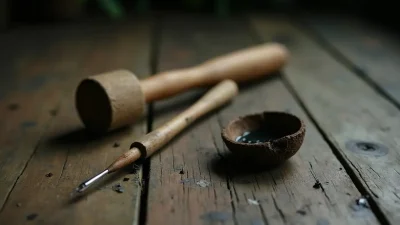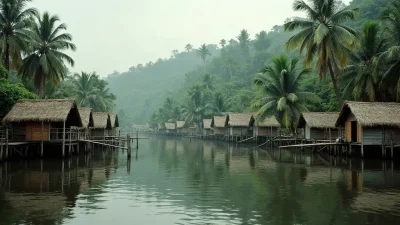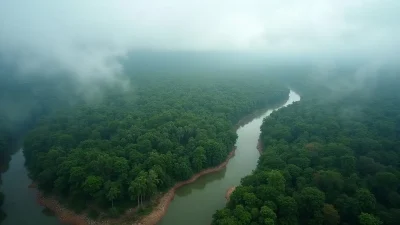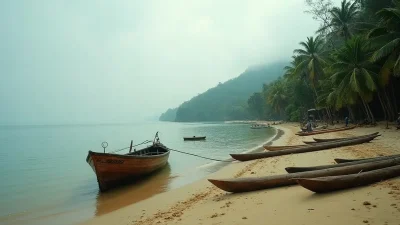
Traditional villages in the Mentawai Islands survive most strongly in interior Siberut: in the south around Madobag, Ugai, Butui and Matotonan on the Rereiket river, and in the north and west around Simatalu, Sotboyak and the Sakuddei area. Sipora and the Pagai islands keep clan customs and some uma, but daily life there is more modern.
The Mentawai Islands are four main islands and many islets off West Sumatra, and people often assume traditional life looks the same across all of them. It does not. Government resettlement, missions, logging, roads and the 2010 tsunami affected each island differently. This guide goes island by island to show where traditional villages and clan uma remain, what “traditional” means in each place and which areas visitors realistically reach. For trip planning, see our main guide to mentawai island tours.
What “traditional village” means in Mentawai
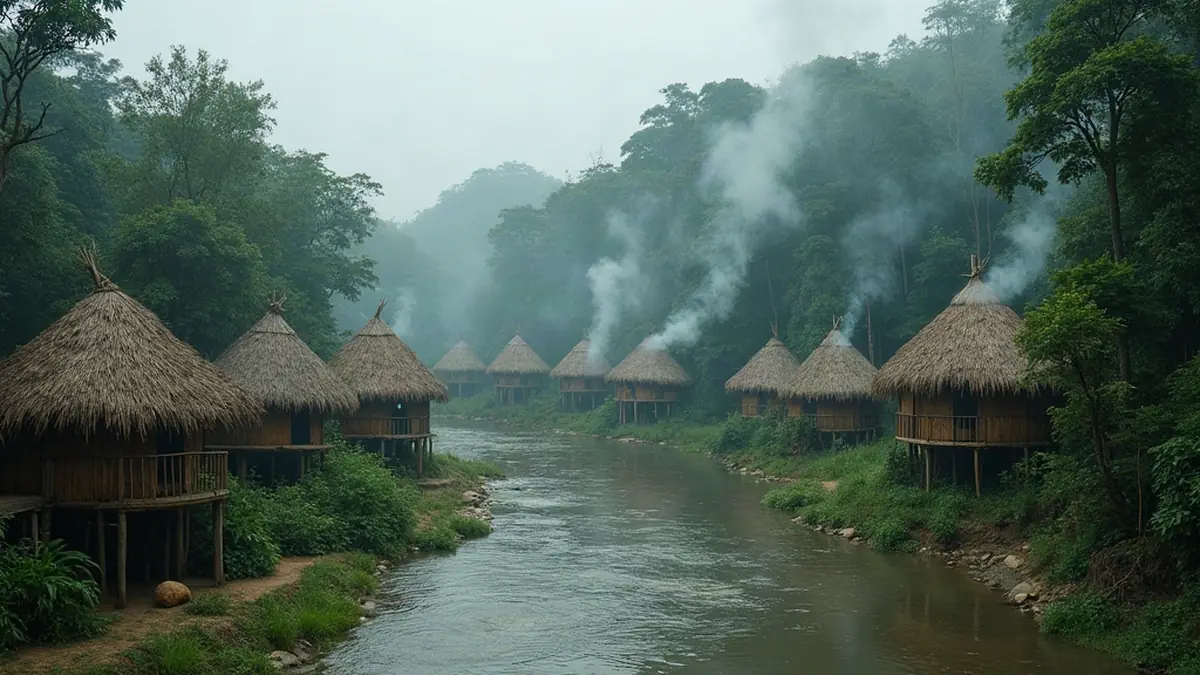
Before the mid-twentieth century, Mentawai settlements were organised around the uma, the communal longhouse of a clan, often spread along rivers in the forest. Larger groupings of uma formed a laggai, a settlement or village. From the 1950s onwards, the Indonesian state moved many people into planned villages with rows of family houses, a church or mosque and a school. Today most Mentawai people live in such villages.
So when travellers ask for a “traditional village”, they usually mean one of two things: a village whose people still keep strong clan customs, or an uma in the forest where a family lives much of the year in the older way. Both exist, but mainly on Siberut.
Island by island
| Island | Where traditional life is strongest | What it looks like today | Visitor access |
|---|---|---|---|
| South Siberut | Rereiket river: Madobag, Ugai, Butui, Matotonan and forest uma around them | Villages with churches and schools, plus clan uma where families live for long periods; sikerei and titi still present | The most visited area; reached from Muara Siberut by river boat |
| North and west Siberut | Simatalu, Sotboyak, the Sakuddei area and inland rivers | Some communities still build and use traditional-style uma; more remote | Rarely visited; long boat journeys and fewer guides |
| Sipora | Scattered clan uma and customary ceremonies | The regency capital Tuapeijat, roads and markets; mostly modern village life | Easy to reach; surf camps nearby; few uma stays |
| North and South Pagai | Clan traditions and some uma in inland areas | Village life, plantations and roads; strongly affected by the 2010 tsunami | Reachable by ferry; little cultural tourism |
South Siberut: the Rereiket river
The upper Rereiket (also written Sarereiket) river is where most visitors encounter traditional Mentawai life. Madobag and Ugai are the larger villages on the lower and middle river; Butui and Matotonan lie further up. Around each, families keep uma in the forest, tend sago gardens and pigs, hunt with bows and hold ceremonies led by sikerei. Many older residents carry titi tattoos. The villages themselves are modern in many ways, with schools, churches and some solar power, but the uma a short walk away feel very different. Our Mentawai traditional village tour page describes how visits along this river are arranged.
North and west Siberut
North Siberut, with its main town at Sikabaluan, and the inland river areas of the west are larger, wilder and much less visited. Communities around Simatalu are known for continuing to build and use uma in the traditional style, and the Sakuddei, known through anthropological fieldwork from the late 1960s and 1970s, belong to this wider area. Access needs long boat trips, local contacts and more time, and there is little tourism infrastructure. For most first-time visitors, south Siberut is more realistic.
Sipora
Sipora is home to Tuapeijat, the capital of the Mentawai Islands Regency, and has roads, government offices and many residents from mainland Sumatra. Mentawai clans on Sipora keep their identity, language and ceremonies, and some uma stand as clan houses. But everyday life is generally organised around family houses, work and town services rather than the forest uma. Sipora is close to several surf areas, so many surfers pass through without seeing its cultural side.
North and South Pagai
The Pagai islands in the south of the chain historically had large uma and villages too. Logging, plantations and resettlement changed land use, and the 2010 tsunami struck the west coasts hard, leading to further relocation inland. Clan traditions continue, but visible traditional architecture and forest-based life are rarer than on Siberut, and the islands see very little cultural tourism.
Why Siberut kept more
Siberut is the largest island and has the biggest remaining rainforest, much of it in Siberut National Park. Its interior is cut by rivers rather than roads, which kept many communities more distant from government centres. That distance helped families keep the uma, sago gardens and ritual life even after resettlement. It is a difference of degree: Siberut is changing quickly too, and Sipora and Pagai still preserve Mentawai identity in their own ways.
Visiting traditional villages respectfully
- Go with a local guide who knows the families and can inform the village head.
- Remember that villages are homes and that the uma belongs to a clan.
- Ask before photographing people, tattoos or ceremonies.
- Do not expect rituals to be performed, and never request them.
- Pay hosts fairly and avoid handing sweets or money to children.
Quick facts
- Strongest traditional life: interior Siberut
- Most visited area: Rereiket river, south Siberut (Madobag, Ugai, Butui, Matotonan)
- Remote traditional areas: Simatalu, Sotboyak and the Sakuddei area in north and west Siberut
- Sipora: regency capital Tuapeijat; mostly modern village life
- Pagai islands: clan customs continue; little cultural tourism
- Access: ferries from Padang, then river boats and walking
Frequently asked questions
Where are the most traditional villages in the Mentawai Islands?
In interior Siberut. The Rereiket river area of south Siberut is the most accessible, while parts of north and west Siberut are more remote and less visited.
Are there traditional villages on Sipora or the Pagai islands?
Clan customs, ceremonies and some uma continue there, but daily life is more modern and visible traditional villages are rarer than on Siberut.
Do Mentawai people still live in uma?
Some families live in uma for long periods, especially in interior Siberut. Most people live in village houses and use the uma for ceremonies and time in the forest.
Can I visit a traditional village without a guide?
Reaching villages independently is difficult, and entering clan land without introductions is not respectful. A local guide is the normal way to visit.
Which island should I choose for culture?
Siberut, and for most first visits the Rereiket river area in the south. Sipora and the Pagai islands suit travellers who are there for other reasons and want a light introduction.
Plan a visit to traditional Siberut
To understand the clan longhouse at the centre of village life, read our guide to the Mentawai uma. We are an independent planning guide, not a tour operator, and can help you connect with an established local guide on Siberut. Message us on WhatsApp or email bd@juaraholding.com.