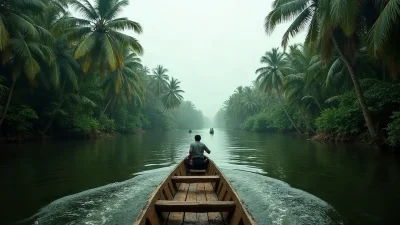
Tribe Tours
Mentawai Tribe Tour: Lengths, Inclusions & Ethical Choices
How guided clan stays on Siberut work, trip lengths and fair prices.
Field journal · Siberut, Mentawai Islands, West Sumatra
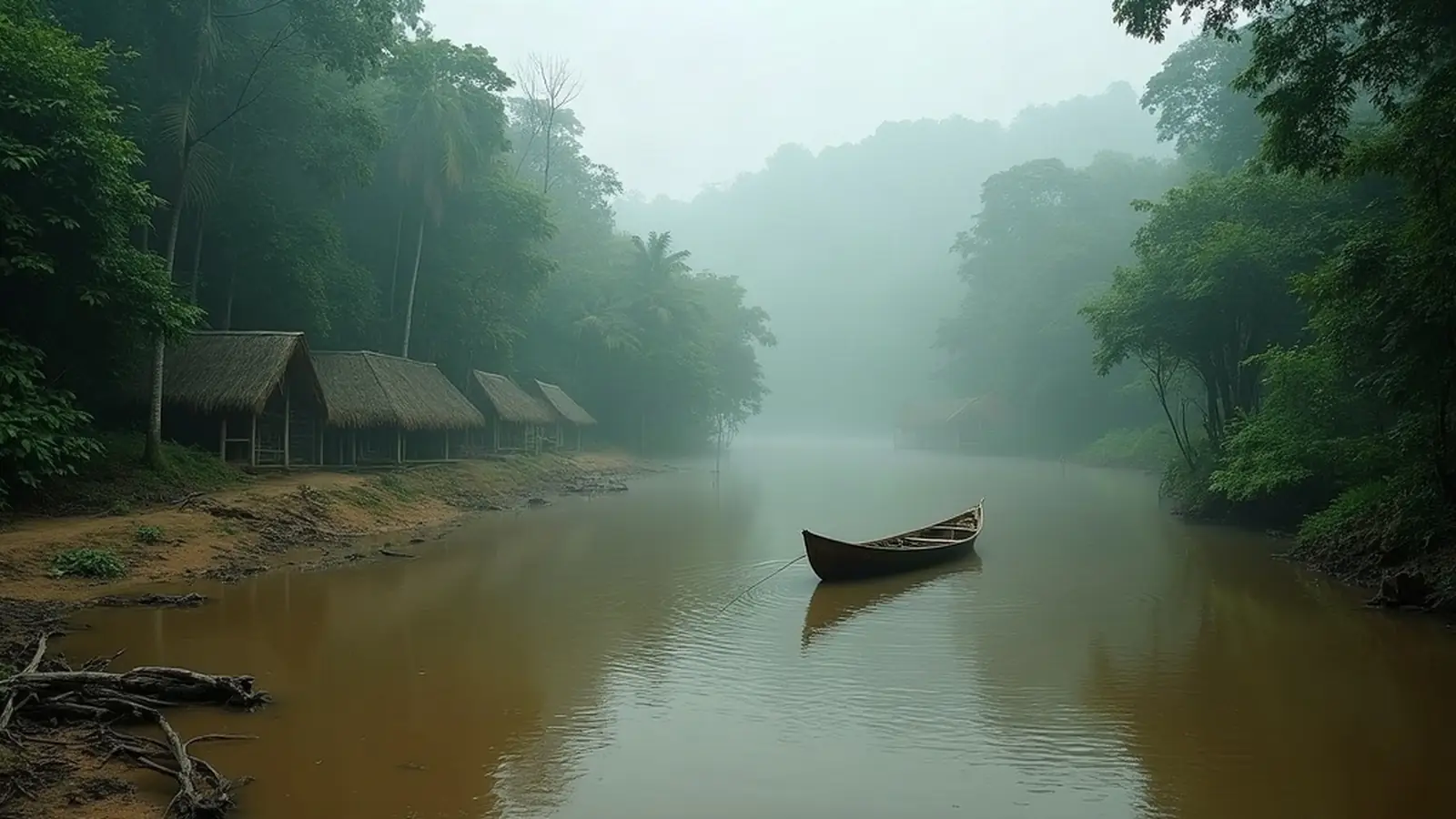
Mentawai island tours for culture mean Siberut: you take the ferry from Padang (about four hours on the direct sailing), travel upriver by dugout canoe and stay with a Mentawai family in an uma longhouse, usually for three to seven days with a local guide. We are an independent planning guide that helps you compare options and connect with established guides.
By Mentawai Island Tours Editorial Team ·
Before you go
Two tools from our field notes. First pick how long you can give the island and see what that trip really involves. Then tick through the checklist for permits, etiquette, gifts and health before you message a guide.
A day visit, not a day trip from Padang. The ferry takes about four hours each way and does not sail daily, so one day only works if you are already on Siberut, in Muara Siberut or at a nearby surf camp.
Three days and two nights is the practical minimum from Padang. Most of day one is the ferry and the river; you get about one night in an uma with a family. Four days or more gives a more worthwhile stay.
Read: Mentawai tribe tour · Uma homestay
Five to seven days is the most common choice. You spend three to five nights inland, often with two settlements, and join daily work instead of just watching.
Prices are typical ranges from public listings, not fixed tariffs. Operators set their own prices; confirm with your guide.
Trip guides
Seven ways travellers experience Mentawai culture and rainforest, each explained with lengths, conditions and indicative prices.
Tribe Tours
How guided clan stays on Siberut work, trip lengths and fair prices.
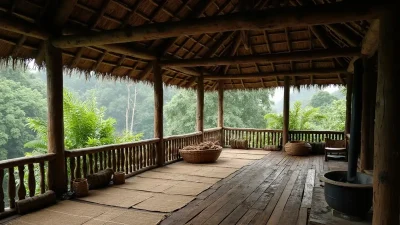
Uma Stay
What daily life in an uma longhouse is really like for a guest.
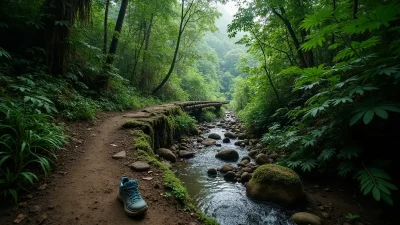
Trekking
Routes, lengths, difficulty and costs compared side by side.

Rainforest
Wildlife, primates and habitats, with honest sighting odds.
National Park
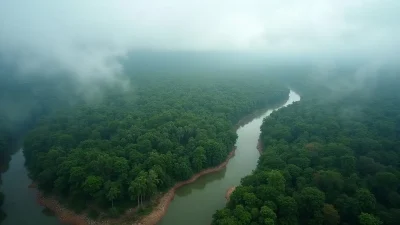
What the park protects, permits and how visits work.

Tattoo
Titi tattoo culture, consent and what a respectful visit looks like.
Villages
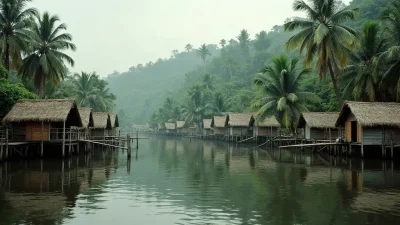
Riverside villages from Madobag to Matotonan, and forest uma.
Planning essentials
SIMAKSI, surat jalan and clan consent, explained plainly.
Sleeping, food and costs in a Siberut longhouse.
A practical code of conduct for visiting Siberut clans.
Ferry days, trip lengths and what to sort in Padang.
How to combine waves with a few nights inland.
Playgrounds waves, camps and getting there.
From the field journal
Trekking & Rainforest
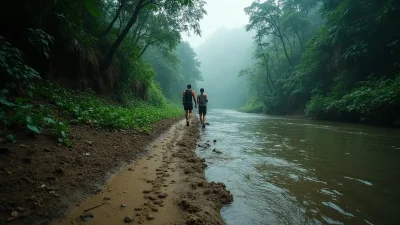
Mentawai trekking explained: Siberut routes from Madobag to Matotonan, trip lengths, terrain, rainy months, guides, permits and what to pack.

Mentawai Travel Guides
Siberut island itinerary plans built around Padang ferry days: five, six to eight, and ten-day routes with uma stays, river times and buffer days.
Mentawai Travel Guides
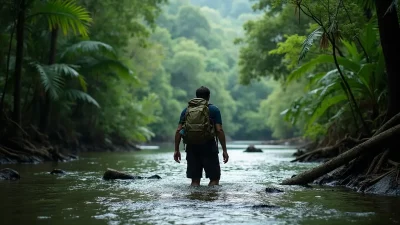
What to expect on a Mentawai rainforest trek: the ferry and river journey, a typical trekking day, mud and log bridges, uma nights, food, wildlife and people.
Mentawai Culture
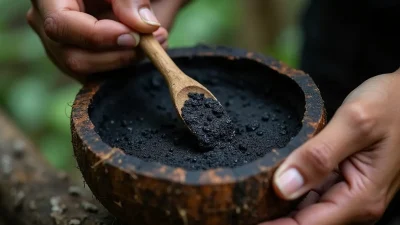
What is the Mentawai titi tattoo tradition? How titi is made with thorn and soot, what it means, why it declined, the revival and where it survives today.

Mentawai Culture
What food do Mentawai people eat? Sago, taro, bananas, river fish, sago grubs and feast pork, plus keikei taboos and what homestay guests eat.

Wildlife & Conservation
What wildlife can you see in Siberut National Park? Realistic odds for gibbons, langurs, macaques, simakobu, birds and night life, plus tips to see more.
Field notes
Mentawai Island Tours is an independent guide to visiting Siberut, the largest of the Mentawai Islands off West Sumatra. We do not own boats, homestays or uma, and we do not employ guides or host families. What we do is explain honestly how culture and rainforest trips on Siberut work, what they tend to cost, what conditions are like and how to choose a guide who treats host communities fairly. When you are ready, we can help you shortlist options and connect with local operators.
Every trip page is written to help you compare options before you contact anyone. Prices, ferry timetables and permit rules change, so treat all figures here as a starting point and confirm them with your operator.
Your adventure starts in Padang, West Sumatra, accessible via Minangkabau International Airport (PDG). From here, the journey to Siberut involves a ferry ride, as there are no bridges or flights linking the island to the mainland. The modern fast ferry takes approximately 3.5 to 4.5 hours, while the slower overnight cargo-passenger boats take about 8 to 12 hours. Weather can affect schedules, so we recommend reconfirming departures close to your travel dates. At Muara Siberut or Maileppet your guide usually meets you and continues with you by motorized canoe and on foot to the host village.
Immerse yourself in the daily life of the Mentawai by staying in an uma, the traditional clan longhouse. These large wooden structures, raised on stilts beside the river, serve as both homes and ritual centers. Many trips include nights with a family that has a sikerei, a traditional healer and guardian of forest knowledge. The sikerei are respected figures who have undergone long apprenticeships in plant medicine, chant, and ritual. A stay should always be by the family’s invitation, so that it is a genuine exchange rather than a staged performance. Remember, this is a living culture — always ask for permission before photographing people, tattoos, or sacred objects.
During a homestay you may see, and sometimes join, everyday parts of Mentawai culture. Sago, the staple food, is extracted from palm trunks and cooked into cakes or porridge. The titi tattoo tradition, one of the oldest continuous tattoo practices, is a significant cultural marker. Designs often reflect the ‘tree of life’, spirit paths, and clan identity. The Arat Sabulungan belief system, an animist tradition, underpins much of daily life, where balance with nature is essential. Some families incorporate elements of Christianity or Islam, reflecting the island’s evolving spiritual landscape.
Life in the Mentawai revolves around the river, the main mode of transport, and the surrounding rainforest. Most trips use dugout canoes on these waterways. Jungle trekking reveals the biodiversity of Siberut National Park, a protected area of approximately 1,905 sq km. Here, you might encounter endemic primates such as the bilou gibbon and Mentawai macaque. Wildlife sightings are not guaranteed, but the experience of trekking through this lush environment is rewarding in itself. Prepare for steep, muddy trails and river crossings, requiring basic to moderate fitness.
Local operators set their own prices. Publicly listed 2024–2025 prices for 3–4 day tribe tours ran roughly USD 390–480 per person, and longer trips into the interior cost more. Group size, season, route and whether the quote starts in Padang or in Muara Siberut all change the figure, and solo travellers pay more per head. Flights and insurance are normally extra. Always ask for a written quote that lists what is included; our page on how much a Mentawai trek costs explains the main cost items.
These are not luxury trips. Accommodations are basic, with raised platforms or mats for sleeping, simple toilets, and river bathing or bucket showers. Meals include local staples like sago, rice, and jungle vegetables. Before you book, ask any operator how host families, guides and porters are paid, who arranges park and village permissions, and how waste is handled. Never support illegal wildlife capture, logging or the sale of protected species.
Siberut’s climate is hot and humid year-round, with a ‘less rainy’ season from May to September. Bring light, quick-dry clothing, trekking shoes, a rain jacket, and strong insect repellent. Consult a travel doctor regarding malaria prophylaxis and vaccinations. Most operators provide boiled or filtered water, but bring a reusable bottle. Electricity in uma may be limited, so pack a power bank and headlamp.
The Mentawai people have a profound connection with their environment, which is evident in their daily activities and spiritual practices. The forest is not just a resource but a sacred space, providing everything from building materials to medicinal plants. The Mentawai’s survival skills are honed through generations of living harmoniously with nature. Hunting, fishing, and foraging are part of the daily routine, with traditional bows and arrows used for hunting wild pigs and other game. The community’s knowledge of the forest is immense, and learning about their sustainable practices offers invaluable insights into living in balance with nature.
If your visit coincides with a traditional ceremony, you might have the chance to witness or even participate in these vibrant cultural events. Ceremonies often involve music, dance, and offerings to the spirits, reflecting the community’s rich spiritual life. These events are deeply symbolic and provide a window into the values and beliefs that guide the Mentawai people. Participation is always respectful and by invitation, ensuring that the cultural integrity of these sacred events is maintained. Observing these ceremonies can be a profound experience, offering a deeper understanding of the Mentawai’s spiritual connection to their world.
The Mentawai are known for their intricate craftsmanship, particularly in wood carving and basket weaving. These traditional crafts are not merely decorative but functional, playing an essential role in daily life. Carved objects often hold spiritual significance, used in rituals or as symbols of status within the community. Basket weaving is a skill passed down through generations, with each piece reflecting the artisan’s skill and creativity. Visitors can learn about these crafts directly from the artisans, offering a hands-on opportunity to understand the patience and precision involved in creating these beautiful works of art.
Tell us your dates, group size and how much walking you want on WhatsApp or by email at bd@juaraholding.com, or use our contact page. We will help you shortlist suitable trips and connect you with established local guides on Siberut, who confirm prices, permits and dates with you directly.
For more background, read about the Mentawai cultural tour, compare Mentawai tour packages and learn about conservation in Siberut National Park.
Quick answers
Yes. Travellers take the ferry from Padang and, with a local guide, travel upriver to stay with a family in an uma longhouse. Most trips last three to seven days.
No. The crossing alone takes about four hours each way and does not run daily. Three days is the practical minimum.
There is no single tribe permit. You need family and clan consent, a national park permit if your route enters the park, and a police travel letter where it is requested. Guides usually arrange them.
Publicly listed 2024–2025 prices for 3–4 day tours ran roughly USD 390–480 per person. Operators set their own prices, so confirm what is included.
No. We are an independent planning guide. We explain how trips work and connect you with established local guides, who confirm prices, permits and dates directly.
How this guide works
We do not own boats, homestays or uma, and we do not employ guides or host families. Your trip is agreed directly with the guide you choose.
Facts come from public sources such as park and UNESCO material, published itineraries and traveller reports. Pages show when they were last updated.
Mud, leeches, river bathing, simple food and no electricity are part of the trip. We say so, and give price ranges rather than fixed tariffs.
We favour small groups, fair payment to host families and no staged rituals. Read how we work.
Planning desk
Tell us your dates, group size and how much walking you want. We help you shortlist options and connect with established local guides on Siberut, who confirm prices, permits and dates with you directly. We are an independent guide, not a tour operator.