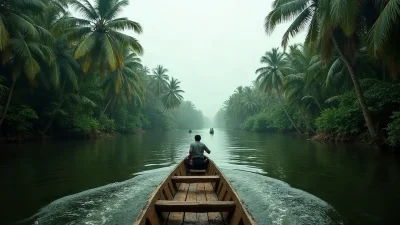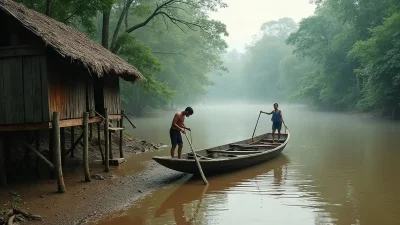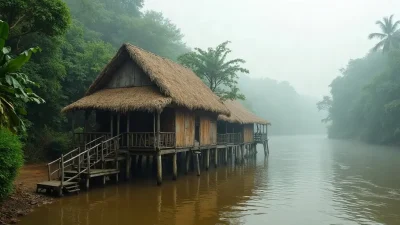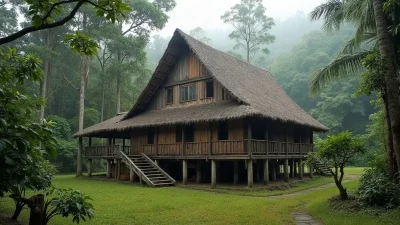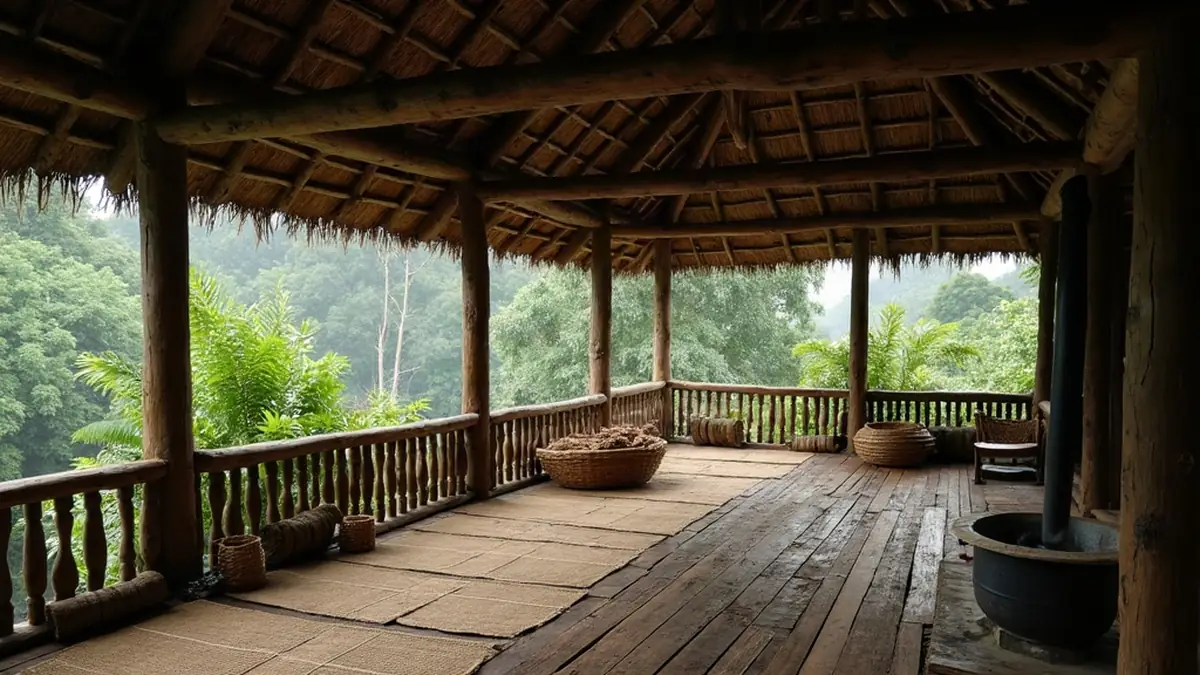
A Mentawai tribe experience means living for a few days inside an uma, the clan longhouse of an indigenous family in south Siberut, and joining their routine: processing sago, fishing in the river, walking forest gardens and, if the clan holds one, watching a sikerei ritual. Expect basic conditions, no staged show, and at least four days from Padang.
A Mentawai tribe experience is less about sightseeing and more about pace. You wake when the household wakes, usually to roosters, dogs and the long call of the bilou gibbon in the forest. Breakfast is whatever is left from the night before. Then the day’s work begins, and you are invited to help or simply watch. This page describes what that day-to-day life looks like for a guest, which activities you can realistically join, how to choose a format that suits you, and what an honest experience leaves out. If you are still comparing destinations across the archipelago, start with our overview of mentawai tourism and come back here.
We are an independent planning guide, not an operator. We do not own uma or boats; we help you plan and connect with established local guides who have long relationships with host families.
What a Mentawai tribe experience really involves
The Mentawai of Siberut traditionally lived in clan groups around an uma, a large raised wooden house that is both home and ceremonial centre. Their belief system, Arat Sabulungan, sees people, ancestors, spirits, animals and plants as linked, and much of daily life carries small acts of respect toward that wider world. In 1954 the Indonesian government banned the traditional religion, and later resettlement programmes moved many families into riverside villages. Today most Mentawai live in those villages and are Christian or Muslim, while some clans, particularly in the interior of south Siberut around the Rereiket river, still keep an uma in the forest and follow older ways.
A tribe experience places you with one of those clans. You are a guest in a working household, not an audience. That is the whole point, and it is also why expectations matter. Some days are busy; some are quiet and rainy, spent sitting on the veranda chewing betel or carving. Both are real.
Daily life you can join
Making sago
Sago is the traditional staple. Men cut a mature sago palm, split the trunk and rasp the pith; the fibre is then kneaded with water in a trough so the starch settles out. Later it is packed into leaves or bamboo and roasted over the fire. Guests are usually welcome to try the rasping and washing. It is hard, wet work, and an honest way to understand how much effort goes into a single meal. Our article on how sago is made in Mentawai walks through each stage.
River fishing and forest gardens
Women often fish in shallow streams with hand nets, and families tend gardens of taro, banana and fruit trees scattered through the forest. Walking to a garden with your hosts is one of the most natural ways to learn plant names, see medicinal leaves and spot wildlife.
Crafts, bows and tools
Men make bows, arrows and poison for hunting, and repair canoes and baskets. You may be shown how arrows are shaped. Hunting itself belongs to the clan; guests do not hunt, and a respectful guide will not stage a hunt for you.
Evenings and the sikerei
After dark the uma becomes a social space: stories, smoking, children asleep in corners. If a sikerei, the healer and ritual specialist, lives in the household, you may see healing chants or offerings. Larger ceremonies, called punen, involve the whole clan and happen on the clan’s own calendar. They cannot be ordered. Read about the role of the sikerei before you go so you recognise what you see.
Mentawai tribe experience formats compared
| Format | Nights with the family | What you will mostly do | Who it suits |
|---|---|---|---|
| Short uma stay | 1–2 | Arrival, a meal, a garden walk, an evening in the uma | Travellers on tight dates; families with older children |
| Classic experience | 2–3 | Sago work, fishing, crafts, a forest walk with hosts | Most first-time visitors |
| Extended stay | 4–6, sometimes in two uma | Deeper participation, more walking between settlements | People who want relationships, not snapshots |
| Custom long stay | 7 or more | Slow immersion, possible ceremony if the clan holds one | Photographers, writers, return visitors |
Add one day each way for the ferry between Padang and Siberut, plus a buffer day if your flight home is tight. Ferries are generally scheduled three times a week, and weather can delay them. For prices across formats, see our page on Mentawai tribe tour options and costs.
What an honest Mentawai tribe experience leaves out
- Guaranteed ceremonies. A ritual held for paying guests is not a ritual. If one happens, it is luck and timing.
- Costume photo sessions. Being dressed in a loincloth and posed for pictures turns hosts into props.
- Sweets for children. There is little dental care on the island. Ask your guide what useful gifts the family would value, often rice, sugar, coffee, tobacco or school supplies.
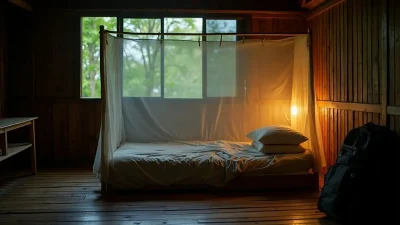
- Comfort. You sleep on a wooden floor under a mosquito net, wash in the river, and use the forest or a simple outhouse.
How to choose the right experience
- Decide how many nights you genuinely want to spend without electricity or signal. Two or three is plenty for many people.
- Ask the guide which clan and area you will visit, and how long they have known the family.
- Confirm how the host family is paid, and whether gifts are included.
- Check the walking: some uma are a short stroll from the river, others several hours away.
- Read our guide to Mentawai cultural etiquette so you know how to greet, eat and photograph.
Can you visit the Mentawai tribe in Siberut?
Yes. The Mentawai are not an uncontacted people. Most live in government-built villages along the rivers and coast of Siberut, go to church or the mosque, send children to school and use mobile phones where there is signal. A smaller number of families keep living for long periods in clan uma in the forest, and it is these households, together with relatives in the villages, who host visitors. They do so by choice and for payment, usually through a guide they know.
Visiting on your own is technically possible but rarely sensible. Reaching Muara Siberut is easy; the hard part is what follows. Uma stand on clan land, the river boats are privately owned, the families speak the Mentawai language, and village heads expect to know who is in the area. A local guide solves all of this in one step, and the host family is paid fairly for food and space. In practice the steps look like this:
- Choose a guide or operator and agree the area, length and inclusions in writing.
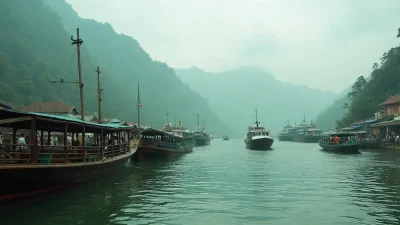
- Travel to Padang and take the ferry to Maileppet, the port for Muara Siberut.
- Let the guide handle supplies, the boat and the paperwork for the conservation area if the route enters it.
- Travel upriver by pompong and walk to the uma.
- Follow the family’s routine and the guide’s advice on customs, photography and gifts.
Whether a visit is welcome depends on how it is done. Small groups, honest payment, no pressure for ceremonies and real interest in daily work are what make families willing to host again.
Quick facts
- Where: south Siberut, mainly along the Rereiket river
- Access: ferry from Padang to Maileppet / Muara Siberut, then motorised canoe and a walk
- Minimum trip: 3 days / 2 nights from Padang; 4 days / 3 nights recommended
- Language: Mentawai and Indonesian; your guide translates
- Food: sago, rice, river fish, vegetables, fruit; tell your guide about dietary needs
- Season: year-round; often slightly drier February to September
Frequently asked questions
Will I see people with traditional tattoos?
Often, yes, especially among older men and sikerei in the interior. Younger people are less likely to carry full titi tattoos, though interest in the tradition has been growing.
Do I sleep inside the uma?
In most cases you sleep on the uma floor or veranda with the family nearby. Some itineraries use a separate family house in the same clearing. Ask in advance if privacy matters to you.
Is the food safe to eat?
Meals are cooked fresh over fire and are generally fine. Drink only boiled or treated water, and bring a filter or purification tablets.
Can I take photographs?
Usually, with permission. Ask first, especially during healing or offerings, and never photograph a ritual if your hosts hesitate.
How is this different from a village visit?
A village visit stays mostly in riverside settlements. A tribe experience means sleeping in a clan uma and living by its rhythm.
Is the Mentawai tribe uncontacted?
No. Mentawai people have been in contact with outsiders for centuries, and most now live in villages with schools and churches. Some families still spend much of their time in forest uma, and those are the households that usually host a tribe experience.
Plan your Mentawai tribe experience
Tell us how long you have, how you feel about basic conditions and what you most want to understand, and we will help you design a Mentawai tribe experience and connect you with established local guides. Message us on WhatsApp or email bd@juaraholding.com.