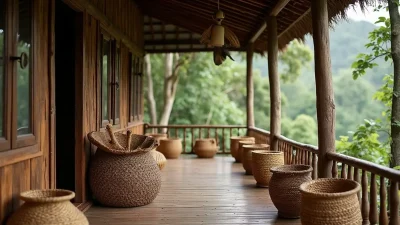
A Mentawai sikerei shaman visit is possible on Siberut when a local guide arranges a stay at an uma where a sikerei lives. You share daily life, learn about medicinal plants and may witness a healing ceremony if one is genuinely needed. Rituals are not performances, so ethical operators never guarantee one. Ask permission before every photograph.
A Mentawai sikerei shaman visit is one of the main reasons people travel to Siberut. The sikerei are the healers and ritual specialists of Mentawai society, trained to mediate between people and the spirit world. Meeting one is a privilege, and how you go about it matters. This guide explains what a visit actually involves, what you may and may not see, how to judge an operator and how to behave so that your presence is welcome.
Who the sikerei are, briefly
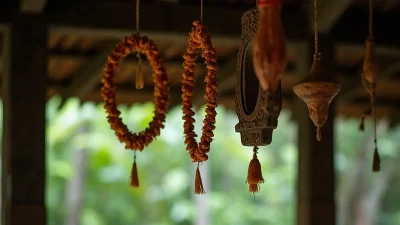
Sikerei undergo a long apprenticeship with an experienced teacher. They learn chants, dances, plant medicines and the rules, called keikei, that they must observe, often for life. They lead ceremonies for healing, for life events and for restoring balance within the uma. Many are heavily tattooed and wear beads, flowers and a loincloth during rituals. For a fuller introduction to their role and training, read our article on the sikerei, Mentawai shaman and healer. This page focuses on the visit itself.
What happens on a Mentawai sikerei shaman visit
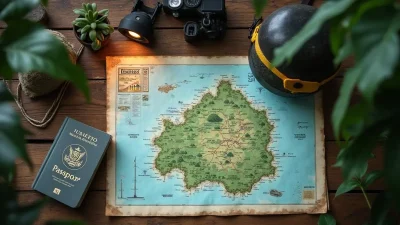
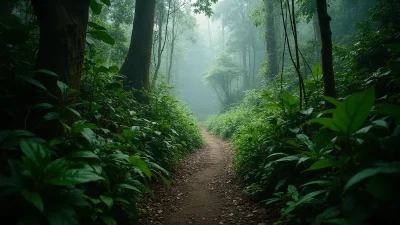
Most visits are part of a multi-day stay at an uma in Siberut’s interior, reached by ferry from Padang, then by motor canoe and on foot. Your guide introduces you to the family, explains who is who and agrees how long you will stay. After that, the visit is mostly ordinary life, which is the point.
Daily life with a sikerei family
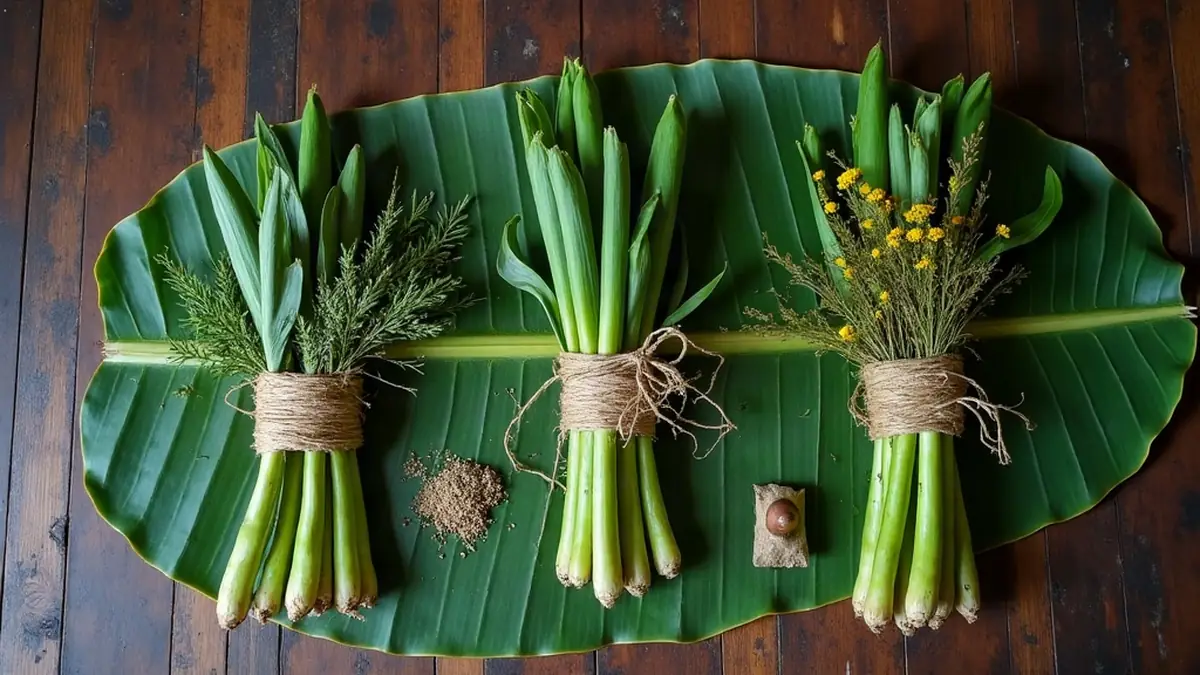
You might walk with the sikerei to gather medicinal plants and hear how each one is used. You may watch sago being processed, arrows being made or poison being prepared for hunting. Evenings are spent on the veranda talking through your guide. Many visitors say this unhurried time teaches them more than any ceremony.
Healing ceremonies
If someone in the community is ill, a healing ritual, sometimes called lia, may take place. It can involve chanting, drumming, offerings, medicinal plants and turuk dance, and can last an evening or several days. Visitors generally observe rather than take part, and only with the family’s agreement. A ceremony happens because the community needs it, not because guests have arrived.
Turuk dance
Turuk is a ceremonial dance in which sikerei move to drum rhythms, often imitating birds and animals. It is associated with healing, clan events and sometimes the welcome of important visitors. You might be invited to join informally. Do not assume it will happen, and never ask for it to be performed for photographs.
Genuine visit or staged show? How to tell
| Sign | Respectful visit | Warning sign |
|---|---|---|
| Ceremonies | Possible but never promised | “Guaranteed shaman ritual” in the itinerary |
| Length of stay | Several nights at one uma | Brief stop to watch a dance and leave |
| Guide relationship | Guide knows the family personally | Guide cannot name who you will stay with |
| Payments | Clear share for the host family | Vague answers about who benefits |
| Photography | Asked person by person, refusals respected | Rituals timed for cameras or drones |
When comparing offers, ask whether the uma has agreed to host visitors, how the family is paid and whether you may stay longer at one place rather than moving every day. Our guide to Mentawai tribe tours, lengths and ethical choices covers how to compare operators.
Etiquette during a sikerei visit
- Let your guide introduce you. Do not walk into an uma uninvited.
- Sit where you are shown, usually on the front veranda at first.
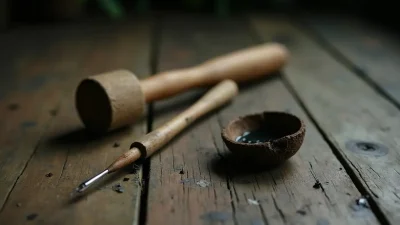
- Do not touch ritual objects, animal skulls hung from the rafters, offerings or the sikerei’s adornments.
- During a healing ritual, stay quiet, do not use flash and never step between the sikerei and the patient.
- Ask before every photograph and every video. Ask again before filming a ceremony or a sick person.
- Follow any keikei the family explains, even if they seem minor.
- Dress modestly and remove footwear where asked.
Photography deserves particular care. Our article on photographing Mentawai respectfully sets out practical rules that keep both you and your hosts comfortable.
Gifts and payment
Tobacco and sugar are often mentioned as customary gifts, along with coffee, rice and practical items such as fishing line or school supplies. Customs vary, so ask your guide what is suitable and how much. Give gifts through the guide or host rather than handing them out. A gift is a courtesy, not payment for a ritual, and you should never offer money to make a ceremony happen. Paying a fair, agreed amount for your stay, meals and guiding is separate and entirely appropriate.
Preparing before you go
A little preparation makes the visit easier for everyone. Read about Arat Sabulungan and the uma before you travel so the things you see make sense. Learn a few words of Indonesian and a Mentawai greeting from your guide on the first day. See a travel clinic about malaria prevention and pack light, because you will carry your bag through mud and in and out of canoes. Above all, arrive with time. A sikerei family is far more relaxed with a guest who stays several nights and asks questions quietly than with one who arrives with a list of things to photograph.
Best time and trip length
A sikerei visit can happen in any month, since rain on Siberut is year-round. Relatively drier months, roughly May to August, make walking easier. Three nights at one uma is a sensible minimum. Longer stays give the family time to relax around you and raise the chance that you will see the less visible parts of a sikerei’s life.
Quick facts
- Where: traditional uma in Siberut’s interior
- Access: Padang ferry, motor canoe upriver, then on foot
- Arranged by: a local guide with a relationship to the family
- Ceremonies: possible, never guaranteed
- Suggested stay: at least three nights at one uma
- Gifts: ask your guide; tobacco, sugar and coffee are common
- Photography: always ask first
Frequently asked questions
Can tourists be healed by a sikerei?
Visitors usually observe rather than receive treatment. If you are unwell, your guide may suggest that the family is consulted, but you should never request a healing ritual as an experience.
Will I definitely see a ceremony?
No. Ceremonies happen when the community needs them. An operator who guarantees one is likely staging it, which is a reason to look elsewhere.
Is it respectful to visit a sikerei at all?
Yes, when the family has chosen to host visitors, benefits fairly and is treated as a host rather than an attraction. Many sikerei families see visitors as a way to keep their knowledge valued.
Can I photograph a sikerei?
Only with clear permission each time. Some sikerei are happy to be photographed, others are not, and permission for one moment does not cover a ceremony.
How many sikerei are left?
No reliable recent count exists. Numbers fell sharply after the 1954 ban on Arat Sabulungan, and in some areas young people are now training again.
Plan your visit
We are an independent guide to Mentawai island tours, helping travelers plan respectful stays with local guides who know sikerei families personally. Contact us on WhatsApp at +62 811 3941 4563 or email bd@juaraholding.com to talk through dates and options.