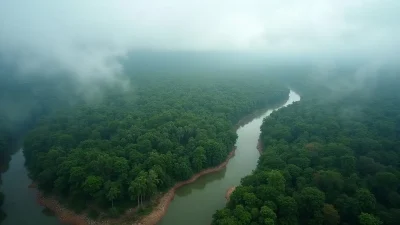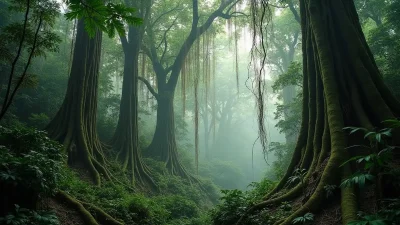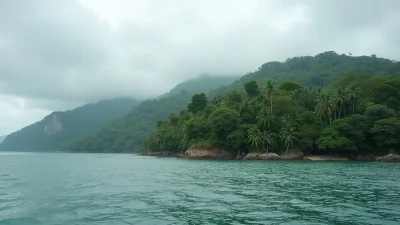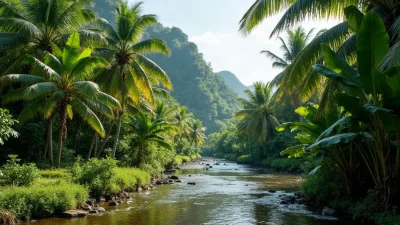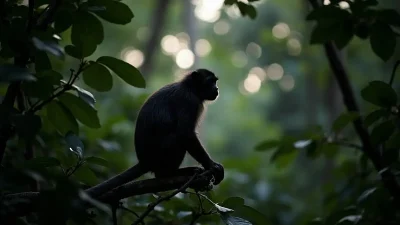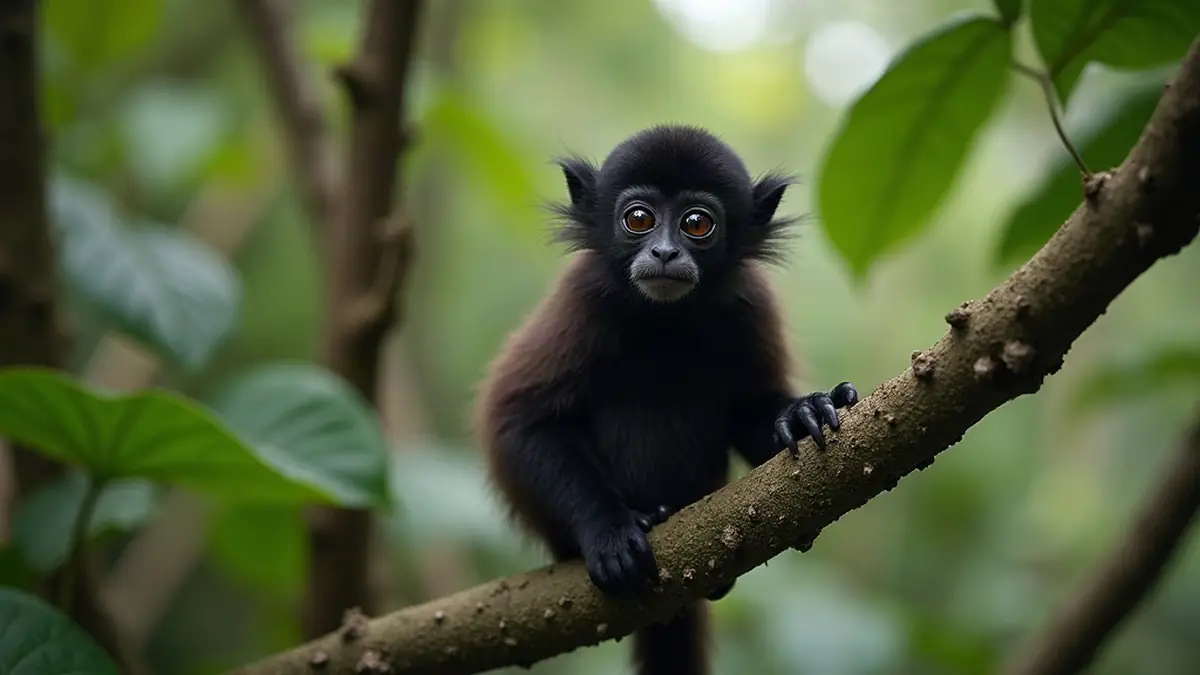
In Siberut National Park you can realistically see forest birds such as hornbills and kingfishers, often see or hear the Mentawai langur and Siberut macaque on a multi-day guided trek, and almost certainly hear Kloss’s gibbons singing at dawn. The simakobu, a snub-nosed langur, is rarely seen. Night walks reveal frogs and reptiles. Nothing is guaranteed.
Siberut National Park protects about 190,500 hectares of rainforest on the largest Mentawai island, and its animals are among the most distinctive in Indonesia. But wildlife here lives high in a dense canopy, and much of it has been hunted for generations, so it is wary of people. This guide gives an honest picture of what you are likely to see, what you will probably only hear, and how to improve your chances. For trips to the island as a whole, see our guide to mentawai island tours.
What you are likely to see: a realistic table
| Animal | Local name | Chance on a 4–7 day guided trek | Where and when |
|---|---|---|---|
| Forest birds (bulbuls, sunbirds, drongos) | Various | Very likely | Forest edges and gardens, all day |
| Kingfishers | Various | Likely | Along rivers from the boat |
| Hornbills | Various | Possible | Heard flying over; seen in fruiting trees |
| Kloss’s gibbon | Bilou | Heard almost daily; seen occasionally | Dawn calls from the high canopy |
| Mentawai langur | Joja | Possible to fairly likely | Forest edges and riverbanks |
| Siberut macaque | Bokoi | Possible to fairly likely | Fruiting trees and near gardens |
| Pig-tailed snub-nosed langur | Simakobu | Unlikely; a bonus | Primary forest canopy |
| Squirrels and treeshrews | Various | Possible | Daytime, lower trees |
| Lizards, geckos, frogs | Various | Likely, especially after rain | Night walks and around the uma |
| Snakes | Various | Occasional | Usually glimpsed and gone |
These are rough guides based on visitor and guide reports, not survey data. Results vary a great deal by route, season and luck.
The four endemic primates
Siberut’s primates are the reason many naturalists come. All four are found only in the Mentawai Islands, and all are listed as threatened.
Kloss’s gibbon (bilou)
Small, black and almost entirely tree-dwelling, the bilou is famous for its song. Pairs call in the early morning, and the sound carries across valleys. You will very likely hear them; seeing one means spotting a dark shape moving fast through the top of the canopy.
Mentawai langur (joja)
A slender leaf monkey, usually the most realistic primate to see. Groups often use forest edges and trees along rivers, which makes river journeys a good time to look up.
Siberut macaque (bokoi)
A stocky, short-tailed macaque that spends more time near the ground than the others. It visits fruiting trees and sometimes gardens, and can be seen on focused walks.
Simakobu
The pig-tailed snub-nosed langur is the rarest sighting for visitors. It lives mainly in primary forest canopy and keeps away from people. Treat a sighting as exceptional. Our page on Siberut’s four endemic primates describes them in more detail.
Birds
Birdwatching is more reliable than primate watching. UNESCO records about 134 bird species on Siberut, including endemic species and subspecies. Expect common forest and garden birds every day, kingfishers along rivers and, with luck, hornbills and parrots. The Mentawai scops owl is a special target but is nocturnal and hard to find without a guide who knows its calls.
Reptiles, amphibians and night life
After dark the forest changes. Frogs call from every stream, geckos hunt around the lamp in the uma and, on a night walk, you may see stick insects, spiders, sleeping birds and occasionally a snake. Nocturnal mammals such as slow lorises and civets live in the park but are rarely seen. A short night walk with a guide and a good headlamp is one of the most rewarding parts of a trip.
A wildlife day on a Siberut trek
On a good day, wildlife watching follows the rhythm of the forest. Gibbons begin calling around first light, so the first hour is spent listening and scanning the canopy near the uma. Mid-morning walks are best for birds along gardens and forest edges, while the hottest hours are quiet and better spent resting. Late afternoon brings activity back, especially along the river, where langurs and kingfishers are often seen from the boat. After dinner, a short night walk with a headlamp reveals frogs, geckos and insects that you would never notice by day.
How to improve your chances
- Spend nights near primary forest. Routes that stay deeper inland see more than those near villages.
- Walk at dawn. Gibbons call and primates are active early in the morning.
- Use the river. Langurs and kingfishers are often seen from boats.
- Keep groups small and quiet. Two to four people disturb less.
- Bring binoculars. Most sightings are high in the canopy.
- Tell your guide early. A wildlife interest changes how they plan each day.
Watching wildlife responsibly
Never ask guides to call, chase or bait animals, and do not buy wildlife products, skulls or feathers. Hunting is part of Mentawai tradition and you may see it practised; it is the families’ customary right, and the most useful thing visitors can do is support income that makes standing forest valuable. For a route designed around wildlife, see our Siberut rainforest tour guide.
Quick facts
- Park area: about 190,500 hectares, declared 1993
- Endemic primates: Kloss’s gibbon, Mentawai langur, Siberut macaque, simakobu
- Most realistic primate sighting: Mentawai langur
- Most reliable experience: gibbon song at dawn
- Birds: about 134 species recorded
- Best tools: binoculars, headlamp for night walks, patience
Frequently asked questions
What wildlife can you see in Siberut National Park?
Mostly forest birds, kingfishers and sometimes hornbills, plus the Mentawai langur and Siberut macaque on a guided trek. You will very likely hear Kloss’s gibbons. Simakobu sightings are rare.
Will I definitely see primates?
No. Primates are shy and live high in the canopy. A multi-day trek with dawn walks gives a reasonable chance of seeing at least one species, but nothing is guaranteed.
Are there dangerous animals in the park?
Not in the way people fear. There are no large predators. Snakes exist but are rarely seen; insects, leeches and infected scratches are the realistic concerns.
When is the best time for wildlife?
Early mornings in any month are best. Less wet months make walking easier, and fruiting seasons can bring primates closer to trails.
Do I need a specialist wildlife guide?
A local guide who knows the forest is essential. If wildlife is your main focus, ask for a guide with experience of birds and primates and a route that spends more time in primary forest.
Plan a wildlife-focused trip
We are an independent planning guide, not a tour operator. Tell us what you most hope to see and how long you have, and we will help you connect with an established local guide on Siberut who knows the forest. Message us on WhatsApp or email bd@juaraholding.com.