Is Mentawai trekking suitable for beginners? Yes, if you choose a short route of three to five days. There is no altitude, no technical climbing and daily walks are usually two to four hours. The challenge is mud, heat, humidity, log bridges and basic sleeping conditions. Fitness helps, but patience and a good guide matter more.
People often ask whether Mentawai trekking is suitable for beginners because the photographs look intense: tattooed hunters, deep forest, rivers up to the waist. The reality is gentler on the legs and harder on comfort. This article explains who copes well, who struggles, what makes a route easy or hard, and how to pick an itinerary if you have never done a multi-day trek before.
Is Mentawai trekking suitable for beginners? The short version
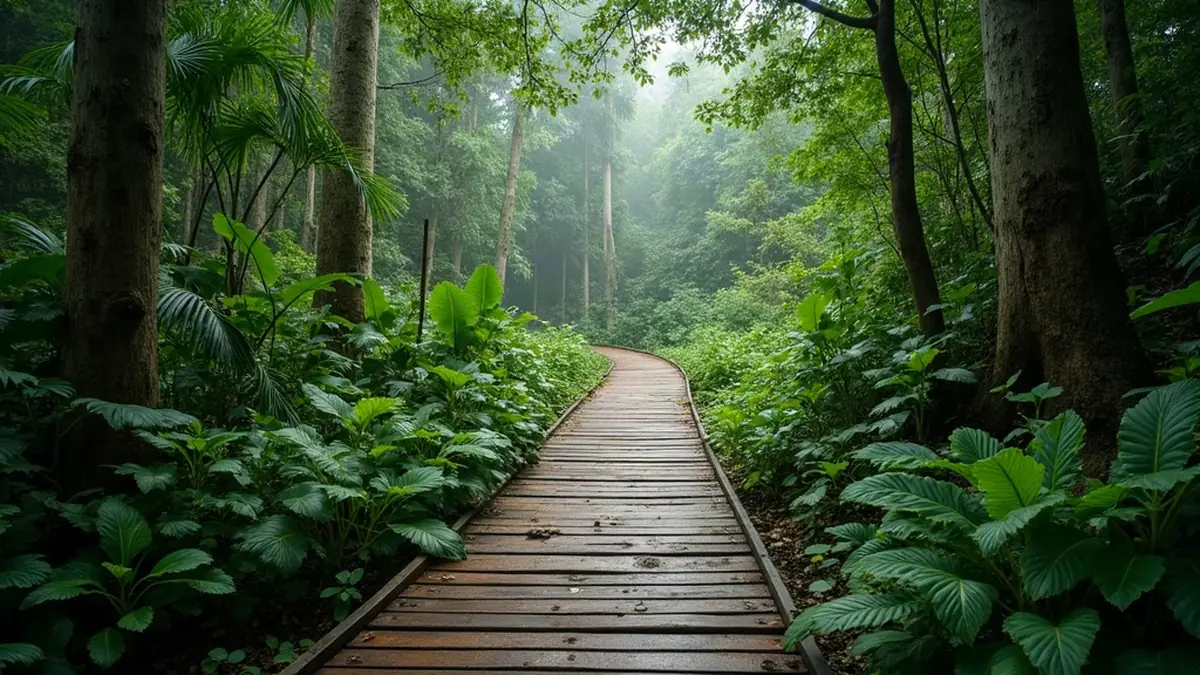
For most healthy adults, yes. The Siberut interior is lowland rainforest, so you are never far above sea level and never on exposed mountain terrain. Walking stages between the river landing, villages and uma (clan longhouses) are usually short, and the rest of the day is spent with the host family. A first-timer who can walk a few hours on a muddy, uneven path will usually manage.
What catches beginners out is the combination of small discomforts that never quite stop. Shoes stay wet. Clothes do not dry. Sleep is on a wooden floor. Mosquitoes, sand flies and, after rain, leeches are part of daily life. If you have never camped or slept rough, that adjustment is usually bigger than the physical effort.
What makes a Mentawai trek harder or easier
| Factor | Easier | Harder |
|---|---|---|
| Route length | 3 to 5 days around Madobag or Ugai | 8 days or more towards Matotonan |
| Season | Relatively drier months, roughly May to August | Wettest months, roughly September to December |
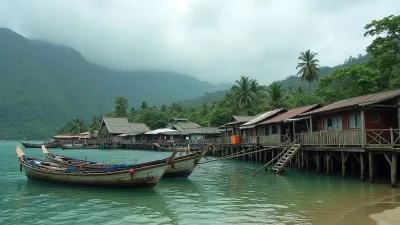
| River travel | More time by motor canoe, less on foot | Long walking days between villages |
| Pace | Private trip set to your speed | Group trip with fitter walkers |
| Log crossings | Guide offers a hand or a pole | Long single-log bridges over deep channels |
A good way to reduce difficulty is to ask for an itinerary weighted towards river travel and longer stays at one uma. Our page on the gentler Mentawai rainforest tour with river and uma options shows how that kind of trip works.
The physical side: what beginners should expect
Mud and roots
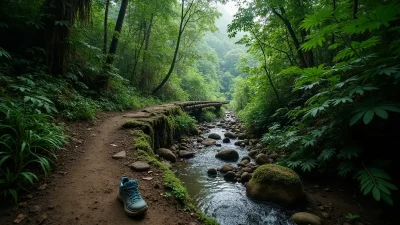
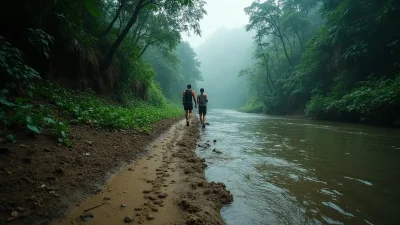
Most paths are earth and leaf litter over tree roots. After rain they become slick and soft, and you may sink to the ankle or shin. Walking poles help some people, though many guides prefer you keep a hand free for balance.
Log bridges and streams
This is the part most beginners worry about. Channels are often crossed on a single log. Guides are used to helping, and there is no shame in shuffling across slowly or wading where the water is shallow. Ask your guide early so they know to watch you.
Heat and humidity
Temperatures are tropical and humidity is very high. Drinking enough water and walking in the cooler morning are more important than strength. People who are fit at home but unused to tropical heat are sometimes surprised by how tired they feel.
The comfort side: the real adjustment
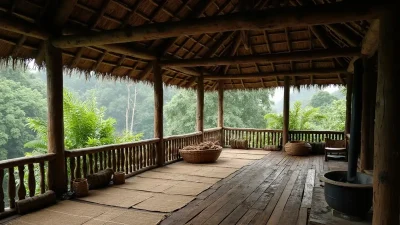
Beginners who struggle usually struggle here rather than on the trail. You sleep on a mat in a shared longhouse, wash in the river and eat what the family eats, typically sago, taro, bananas, rice when available and river fish. Toilets are basic or absent. Electricity is limited and phone signal disappears in the interior.
Many first-timers find this the best part of the trip once the first night is over. Evenings in an uma, with children watching, pigs underneath the floor and conversation by firelight, are what people remember.
A sample beginner day on the trail
It helps to picture an ordinary day. You wake early in the uma as the family starts the fire and the pigs begin calling for food. Breakfast is simple, often rice or sago with something boiled. You set off in the cooler morning with your guide, walking for one to three hours through forest and old gardens, with a few stream crossings and perhaps one or two log bridges. You stop to rest, drink and watch your guide point out plants the family uses.
By late morning or early afternoon you reach the next uma. The afternoon is unhurried: bathing in the river, helping scrape sago pith, watching a bow being strung or simply sitting on the veranda. Dinner is shared, and the evening ends early because there is little light. Beginners are often surprised by how much of a trekking day is spent sitting and learning rather than walking.
Who should think twice
- People with significant knee, hip or balance problems, because of log crossings and slippery descents
- Anyone needing regular medical care, since Muara Siberut has only basic health services and evacuation depends on boats and weather
- Travelers who are pregnant, as malaria risk and distance from hospitals both matter
- People who find shared sleeping spaces and lack of privacy very stressful
None of these rule a trip out automatically. A private, slow, river-based itinerary can work for many people who would not cope with a long trek. Talk to a doctor about your plans and buy travel insurance that covers remote evacuation.
Choosing a first trek
For a first trip, three to five days is the sweet spot. It gives you two or three nights in the interior without committing to long walking days. If you are torn between a short and a long route, our article on choosing a 3-day or 7-day Mentawai trek walks through the differences. For an overview of every route type and how operators structure them, see the comparison of Mentawai trekking tours, and for the bigger picture read our full guide to Mentawai trekking.
Simple preparation for beginners
- Walk two to three hours on uneven ground a few times in the weeks before you go.
- Break in footwear that drains well and grips in mud.
- See a travel clinic about malaria prevention and vaccinations.
- Pack a small, light bag. You will carry it in and out of canoes.
- Tell your guide honestly about your fitness and any worries.
Quick facts
- Best route for beginners: 3 to 5 days around Madobag and Ugai
- Altitude: lowland rainforest, no mountain sections
- Daily walking: usually 2 to 4 hours
- Main challenges: mud, log bridges, heat, basic sleeping
- Technical skills: none required
- Guide: essential for every trek
Frequently asked questions
Do I need to be very fit for a Mentawai trek?
No. Average fitness is enough for a short route. If you can walk for three hours on a muddy path with some short climbs, you can usually manage. Longer routes reward better fitness.
Can children do Mentawai trekking?
Older children who are used to walking and comfortable with basic conditions sometimes join short, river-heavy trips. Discuss it with the operator and a travel doctor first, especially regarding malaria prevention and distance from medical care.
What if I get too tired halfway?
Guides can usually slow down, add a rest day at an uma or switch part of the route to river travel. That flexibility is easier on a private trip than on a fixed group departure.
Is it safe for solo beginners?
With a reputable local guide, many solo travelers do it. Tell someone your route and dates, and carry travel insurance that covers evacuation from remote islands.
What is the hardest part for most beginners?
Usually the single-log bridges and the lack of comfort, not the distance. Both get easier after the first day.
Get help planning a beginner-friendly trek
As an independent guide to Mentawai island tours, we help first-time trekkers find routes and local guides that match their pace. Message us on WhatsApp at +62 811 3941 4563 or email bd@juaraholding.com with your dates and fitness level, and we will suggest realistic options.